
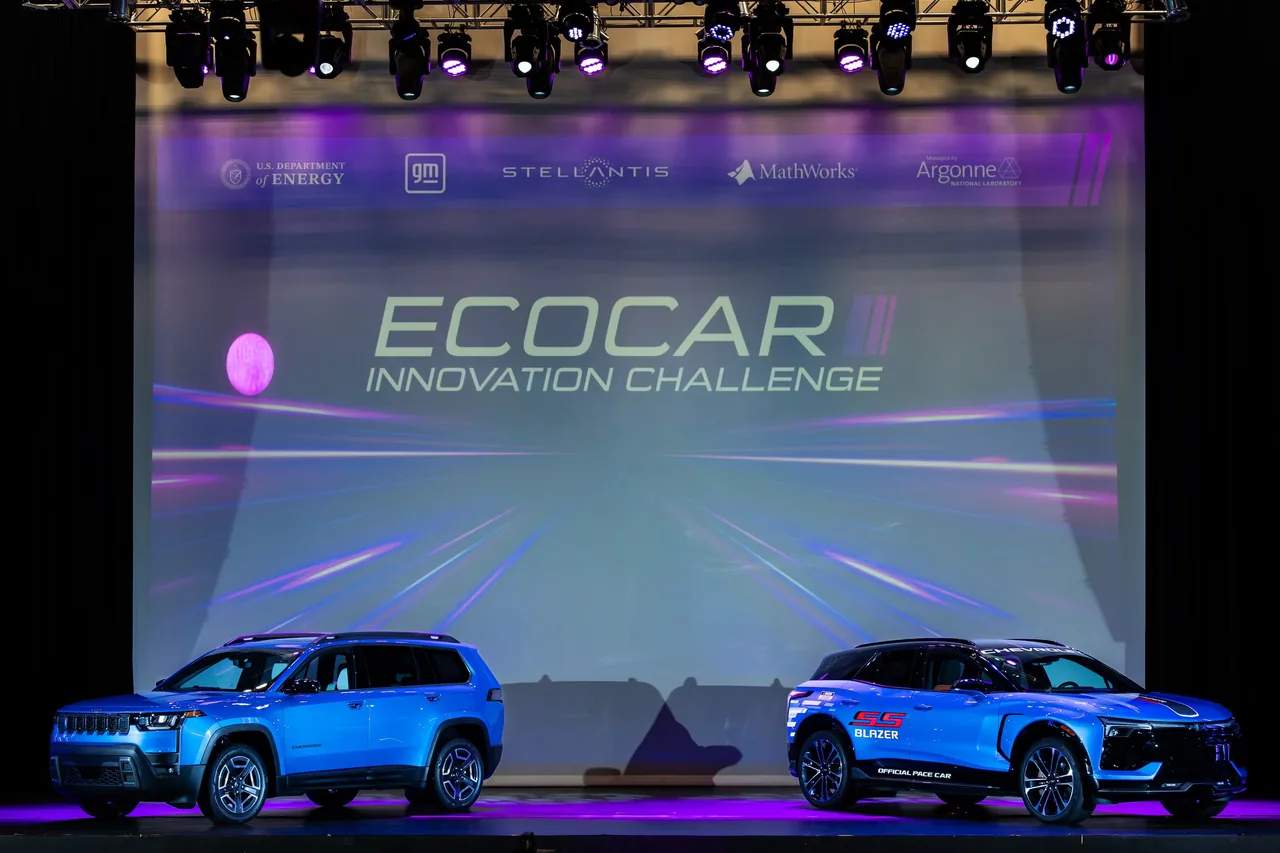
The US Department of Energy and Argonne National Laboratory have launched the latest round of their college-centered engineering program, the EcoCAR Innovation Challenge. With major support from General Motors, Stellantis, and MathWorks, this four-year competition aims to push innovation in vehicle technology while building the future automotive workforce. The 15th edition involves 20 universities from across North America, developing next-generation mobility solutions using technologies such as artificial intelligence and machine learning.
Organizers say the program is designed to really push innovation in vehicle technology, but also to help build the future automotive workforce at a time when the industry is undergoing a rapid transformation. This collaboration between major automakers marks a significant shift towards a more collaborative approach to innovation. The EcoCAR Innovation Challenge is an investment in the next era of the American workforce.
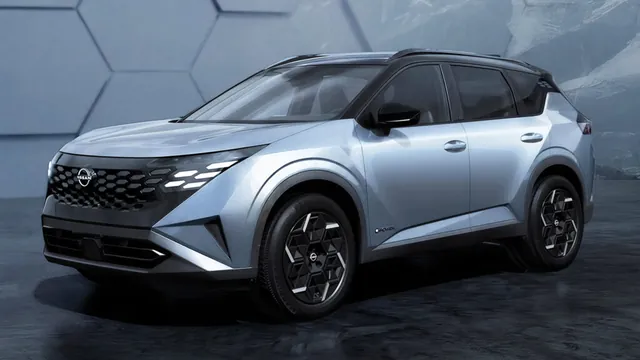
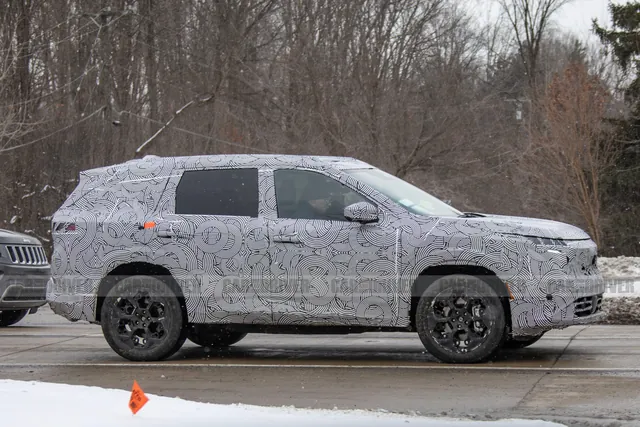
The program's success relies heavily on the involvement of top-tier automakers, providing students with real-world engineering challenges and vehicle platforms that reflect market choices. General Motors will supply the 2026 Chevrolet Blazer EV, while Stellantis will provide a 2026 Jeep Cherokee hybrid. These vehicles serve as testbeds for student teams to modify and optimize propulsion systems.

Student teams will be tasked with designing and integrating electric motors and high-voltage battery systems, as well as software integration, controls, and overall system performance. The competition focuses on skills that have become increasingly important in modern vehicle design and development, such as real-world problem solving and cross-disciplinary collaboration.
The program's emphasis on integrated engineering solutions is reflected in the words of Ken Morris, GM's senior vice president of product programs, safety, and motorsports. EcoCAR develops engineers who understand how to integrate software, controls, advanced powertrains, and the customer experience into a single system.
Stellantis echoes this sentiment, highlighting the program's focus on real-world problem solving and cross-disciplinary collaboration. This approach is crucial in today's automotive landscape, where technological advancements are rapidly changing the industry.

MathWorks will support students with industry-standard model-based design and simulation tools, further enhancing their ability to develop innovative solutions. Additional sponsors include Caterpillar, Bosch, Siemens Digital Industries Software, and dSPACE.
The universities selected for this year's EcoCAR Innovation Challenge demonstrate a strong commitment to automotive engineering education. With diverse backgrounds and expertise, these institutions will drive innovation in the next generation of vehicle technology.
As the automotive industry continues to evolve, programs like the EcoCAR Innovation Challenge play a vital role in shaping the future workforce. By fostering collaboration and innovation, these initiatives ensure that the next era of engineers is equipped to tackle the complex challenges facing the industry.