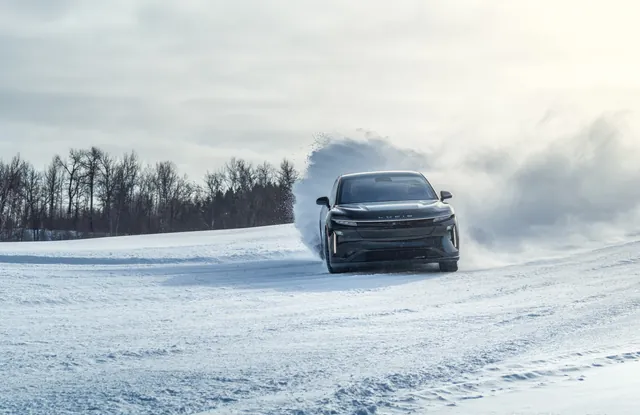

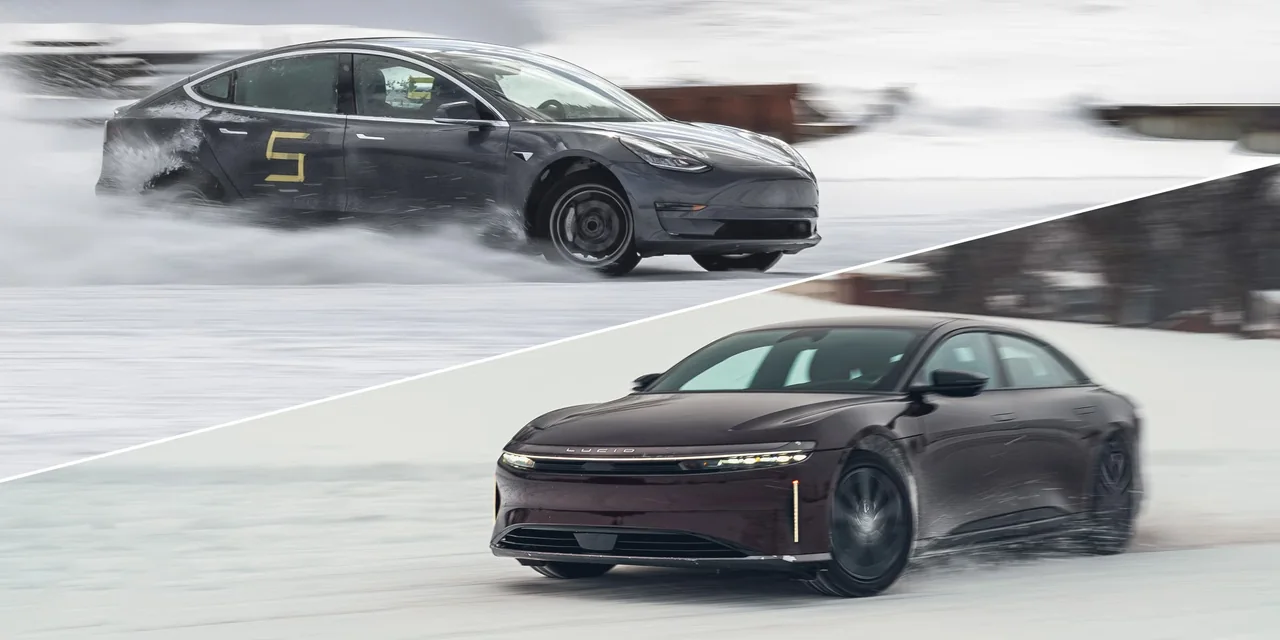
Rear-wheel drive electric vehicles have made a comeback among car manufacturers, and it's not hard to see why. Not only are they less expensive, but also often more efficient with additional range.
However, their regenerative braking system can be problematic in snowy conditions. When the accelerator is lifted, the vehicle uses regenerative braking to slow down, recouping energy along the way.
This can cause a gentle initial nudge from the regen braking that overwhelms the rear tires, leading to loss of traction and instability. The issue arises when the only motor powering the rear axle has ultra-low available grip, making it difficult for the vehicle to maintain stability.

Despite the vehicle's controls reacting immediately to this excessive tire slip and shutting off the regen, the slide is already instigated, and the stability control can only make the most of the available traction. As a result, drivers may experience oversteer that makes them uncomfortable.
This problem is not limited to areas with traditionally mild winters; people living in regions with snowy climates are also experiencing this issue. With proper winter tires and driving techniques, however, it's possible to mitigate this problem and enjoy safe driving in snowy conditions.
While rear-wheel drive electric vehicles can be a cost-effective option for those who live in areas with mild winters, they require extra caution when driving in snowy conditions. By understanding the regenerative braking system and taking necessary precautions such as using high-quality winter tires, drivers can minimize the risk of losing traction and instability.