


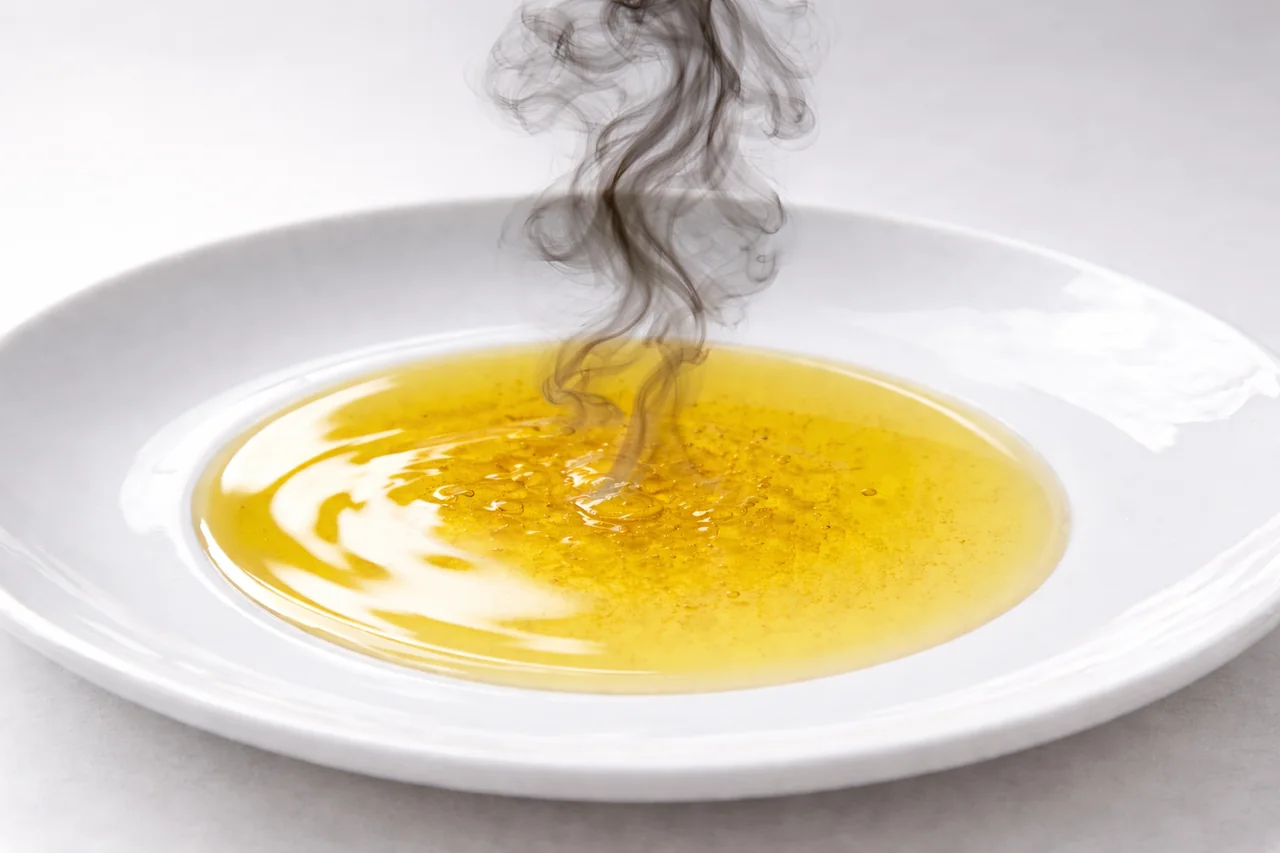
Vegetable oils have been widely debated as a contributor to climate change, and recent studies suggest that they do indeed have a significant impact on the environment. According to a 2022 study, vegetable oil production accounts for around 20 percent of arable land worldwide, leading to substantial greenhouse gas emissions and other sustainability issues such as biodiversity loss. This highlights the need for alternative options in our diets and consumption habits.
The use of vegetable oils has become increasingly common in modern cuisine, with many people believing that they are a healthier alternative to butter and lard. However, nutrition and health science have shown that these oils can be detrimental to human health, contributing to heart disease and other conditions.
Interestingly, some cuisines have used butter and lard for centuries without realizing their negative impact on health. As our understanding of nutrition has evolved, it is now clear that these oils are not essential for human consumption and can even be harmful.
The Mediterranean diet, which often features olive oil, has been touted as a healthy option. However, recent research suggests that olive oil may have a detrimental effect on endothelial function, leading to stiffer arteries and impaired blood flow.
A 1999 study found that the ingestion of high-fat meals led to a decline in flow-mediated dilation (FMD) after just three hours. This impairment was observed regardless of whether the meal contained animal or plant-derived fats.
Further studies have confirmed these findings, with one study showing that olive oil damages endothelial function in a similar manner to other high-fat oils.
The PREDIMED study involved 7,447 people at high risk for cardiovascular disease and randomly assigned them to different diets. The results showed that there were no significant differences between the groups after five years, highlighting the potential negative impact of olive oil on health.
In light of these findings, it is clear that vegetable oils are not a sustainable or healthy option for our consumption. As we move forward, it is essential that we explore alternative sources of energy and nutrition to mitigate the effects of climate change.
The production and consumption of vegetable oils have significant implications for our environment and health. By understanding the impact of these oils on greenhouse gas emissions and human well-being, we can make informed choices about our diets and lifestyles.
As the world continues to grapple with the challenges of climate change, it is crucial that we reevaluate our relationship with food and energy sources. By making conscious choices about what we eat and how we produce energy, we can work towards a more sustainable future for all.