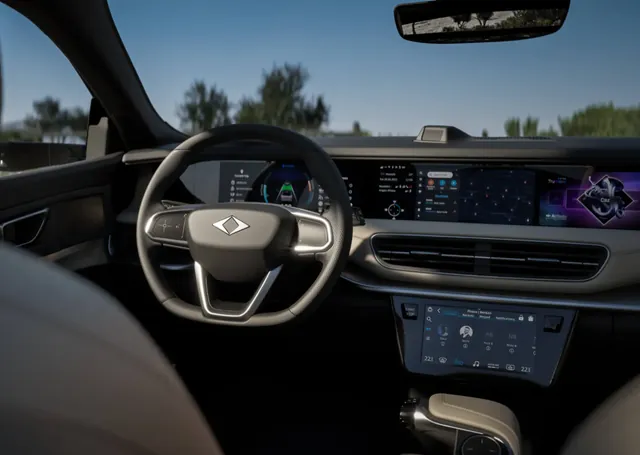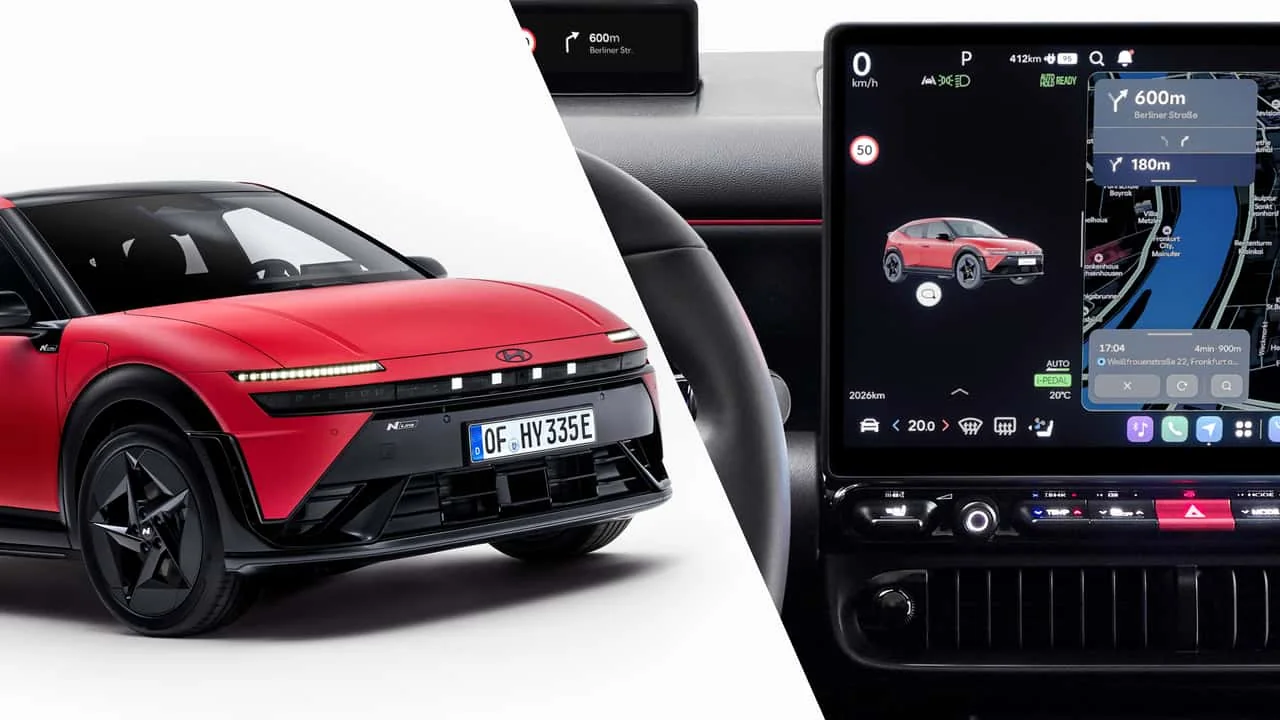
The automotive world is witnessing a revolution in software technology, and Hyundai is at the forefront of this transformation. The company's new 'Pleos' operating system has made its debut on the Ioniq 3 electric vehicle, marking an exciting milestone in the brand's journey towards a more connected and intelligent driving experience. This latest development underscores Hyundai's commitment to innovation and its vision for a future where technology seamlessly integrates with the vehicle itself.
The introduction of Pleos is a significant step forward for Hyundai, as it enables the company to offer a more personalized and responsive driving experience for its customers. With Pleos, drivers can expect enhanced features such as improved navigation, advanced safety capabilities, and optimized performance. These advancements have far-reaching implications for the automotive industry, where technology is increasingly becoming a key differentiator between brands.
Pleos represents a major shift in Hyundai's approach to software development, with a focus on creating a more intuitive and user-friendly interface. This new operating system is designed to be highly adaptable, allowing Hyundai to quickly respond to changing market trends and customer needs. By investing heavily in Pleos, the company is positioning itself for success in an increasingly competitive electric vehicle market.
The Ioniq 3's integration of Pleos underscores the growing importance of software technology in the automotive sector. As electric vehicles continue to gain popularity, manufacturers are recognizing the need for sophisticated software systems that can optimize performance, safety, and efficiency. Hyundai's decision to adopt Pleos demonstrates its commitment to staying at the forefront of this technological revolution.
The adoption of Pleos by Hyundai is also significant because it highlights the company's focus on creating a more connected driving experience. With Pleos, drivers will be able to access a range of features and services that enhance their overall driving experience, from navigation and entertainment systems to advanced safety capabilities. This emphasis on connectivity has important implications for the automotive industry as a whole.
The development of Pleos represents a major investment by Hyundai in its software technology. The company is clearly committed to creating a more sophisticated and user-friendly interface, one that will set it apart from competitors in the market. By investing heavily in this new operating system, Hyundai is positioning itself for long-term success and growth.
As the automotive industry continues to evolve, manufacturers are recognizing the need for increasingly sophisticated software systems. The adoption of Pleos by Hyundai is a significant step forward in this journey, marking an exciting milestone in the brand's commitment to innovation and technological advancement. This development has important implications for the future of the automotive sector as a whole.
The introduction of Pleos also underscores the growing importance of software technology in the electric vehicle market. As manufacturers continue to invest in advanced software systems, we can expect to see significant improvements in performance, safety, and efficiency. Hyundai's decision to adopt Pleos demonstrates its commitment to staying at the forefront of this technological revolution.
The future of automotive software is looking increasingly bright, with companies like Hyundai leading the way in innovation and technological advancement. As manufacturers continue to invest in advanced software systems, we can expect to see significant improvements in the driving experience for consumers. The adoption of Pleos by Hyundai marks an exciting milestone in this journey, one that will have far-reaching implications for the automotive industry as a whole.
Hyundai's latest technological advancements have significant implications for the automotive industry.