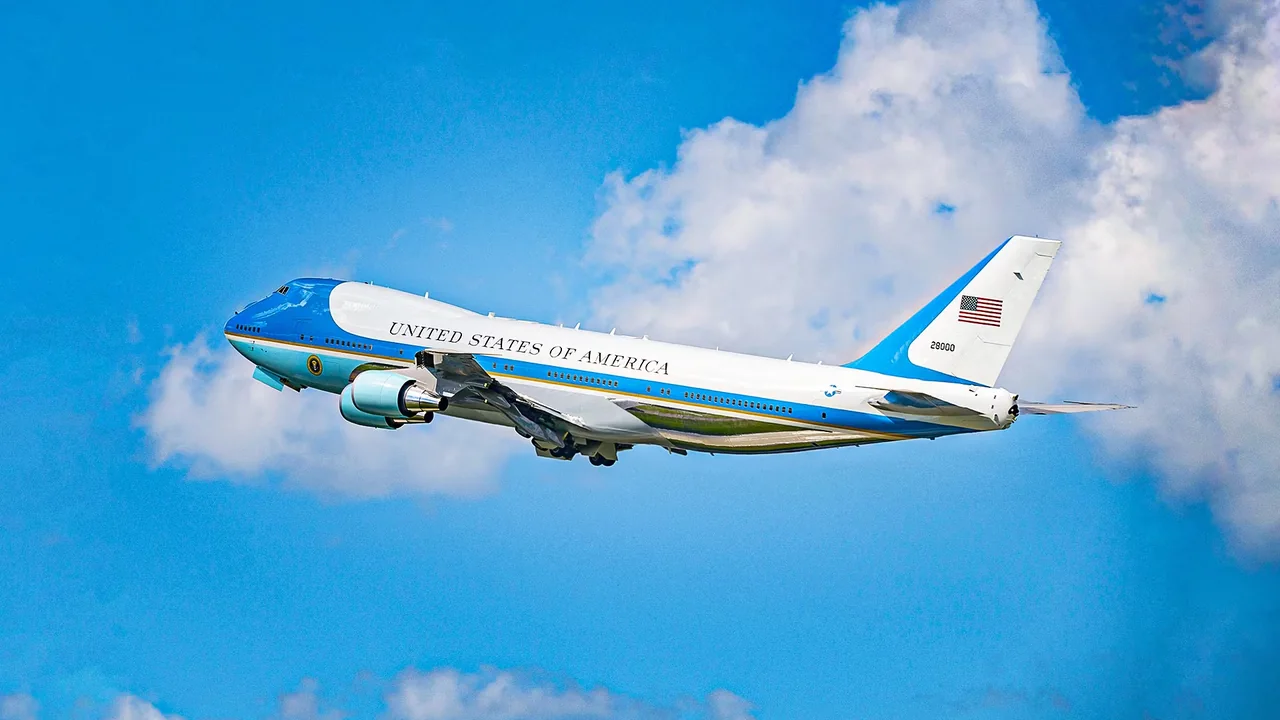
The Air Force One replacement project has become a costly and time-consuming endeavor, with Boeing now facing a budget overrun of over $1.8 billion.
Labor shortages and high turnover rates among staff with specific security clearances have significantly impacted the project's progress.
Technical complexity, including complicated wiring and cooling systems, has also slowed down the development process.

The new aircraft's first flight is now scheduled for March 2026, a 16-month delay from the original 2024 target date.
Boeing's management has acknowledged that negotiating a fixed-price contract with Boeing in 2018 was a mistake, resulting in significant losses and pressure on their manufacturing capacity.
To accelerate the project timeline, the forthcoming VC-25B aircraft will lack aerial refueling capability, a decision made as a cost-saving strategy during the project's restructuring.

This change has sparked heated debate among military commanders, who have expressed concerns about the absence of refueling capabilities in emergency situations.
The new VC-25B aircraft will have an unrefueled range of approximately 8,900 miles, outperforming the earlier VC-25A by nearly 1,100 miles.
Commercial Boeing 747-8i aircraft are being converted into the VC-25B, requiring intricate structural strengthening and weight-balance changes to accommodate the added systems.

The added complexity of the new aircraft's systems and reduced refueling capabilities will require significant adjustments to military operations.