


In 2001, the fourth-generation Mini Cooper was introduced, marking the beginning of a new era for the iconic brand. The latest batch of redesigned models may have done away with manual transmission options, but they remain more driver-focused than most competitors.
The Mini's revival in 2002 injected a healthy dose of excitement into the market, offering a unique blend of driving dynamics and style that appealed to both young and old alike.
Since its reintroduction, the Mini has continued to evolve, with a focus on creating vehicles that are both practical and stylish. The brand's commitment to driver enjoyment has made it a beloved choice among enthusiasts worldwide.
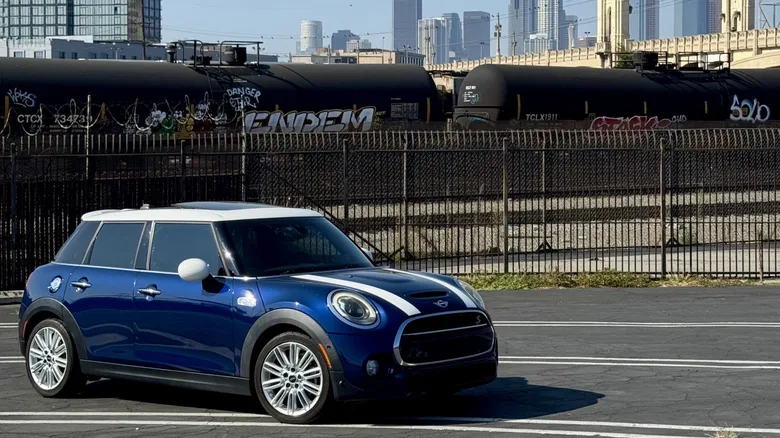
Mini's impact extends beyond its core audience of driving enthusiasts. Its cars have been known to convert even the most casual drivers into fans of fun-to-drive vehicles, making it a brand that transcends age groups.
The original Mini, designed by Sir Alec Issigonis in 1959, was revolutionary for its time, offering a unique blend of practicality and style. Its innovative front-engine, front-wheel-drive layout made it both efficient and spacious.
Mini's cute looks and playful demeanor have earned it fans around the globe, from the rich and famous to average consumers. This is more than just a car – it's an experience.
For many owners, like Megan, who fell in love with their Mini, the brand offers a sense of community and shared passion. The magic of these cars lies in their ability to convert even the most casual drivers into enthusiasts.
As the automotive landscape continues to evolve, Mini remains committed to its core values of driver enjoyment and style. With 25 years of new production under its belt, the brand is poised for continued success.
The Mini's influence on the industry cannot be overstated, with its focus on driving dynamics and style paving the way for a new generation of fun-to-drive vehicles.
The Mini's ability to convert normies into driving enthusiasts is a testament to its enduring design and driving dynamics.