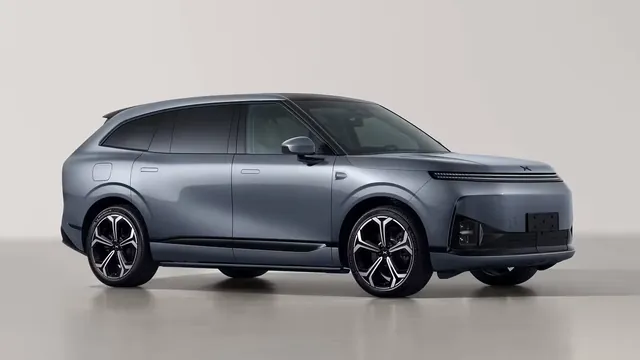
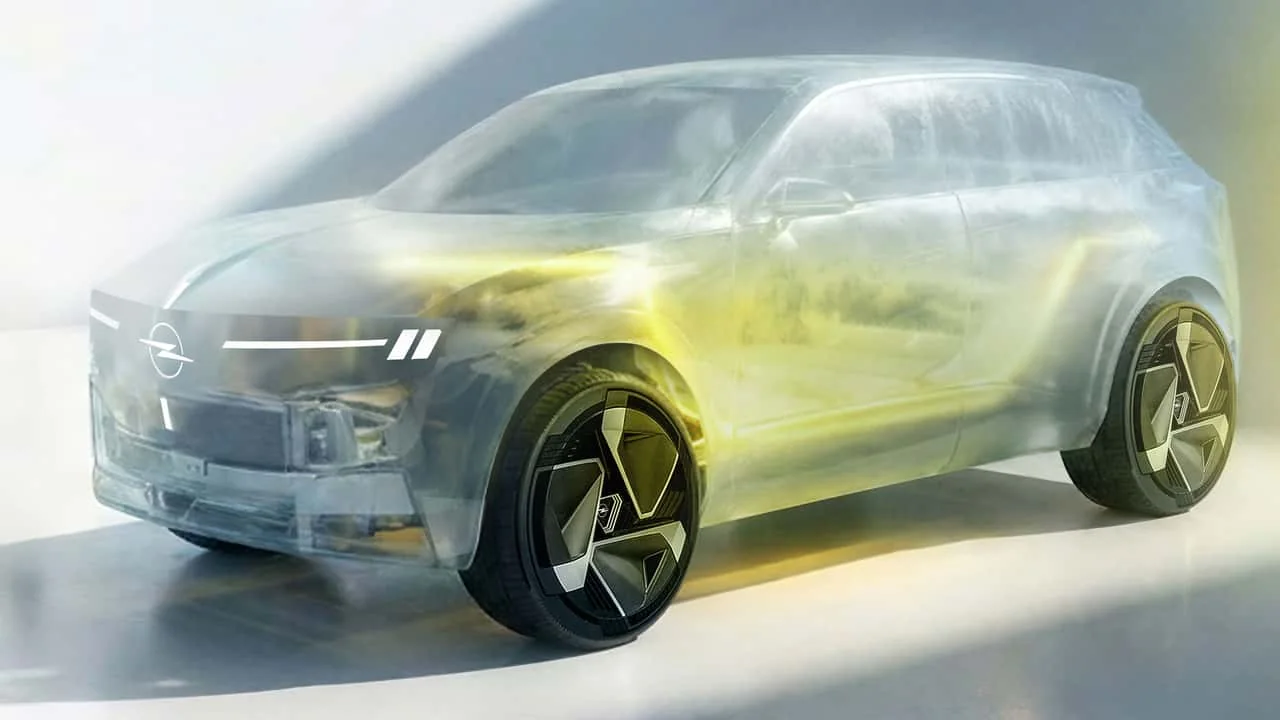
The automotive world is abuzz with the latest news from Leapmotor, a Chinese electric vehicle manufacturer. The company has announced plans to launch a new European SUV, which will be designed and built in Europe. However, what seems like a straightforward move into the European market may hold more complexity than meets the eye. According to reports, Leapmotor's electric vehicle (EV) architecture and battery technology are actually developed with Chinese expertise.
The German-inspired design of the new SUV is likely an effort to appeal to European consumers, who tend to favor sleek and sophisticated designs. However, beneath the surface, the true story of Leapmotor's European debut may be more nuanced than initially meets the eye. The company's decision to use Chinese battery technology in its products raises questions about the true origins of Leapmotor's electric vehicles.
The use of Chinese battery technology in a European market is not unprecedented, but it does spark industry interest and scrutiny. As the world shifts towards more sustainable and environmentally-friendly transportation options, companies are increasingly looking to new technologies and partnerships to stay ahead of the curve.
Leapmotor's decision to partner with European manufacturers for its SUV may be seen as a strategic move to tap into the lucrative European market. However, it also raises questions about the company's commitment to using locally-sourced components and materials.
The launch of Leapmotor's new European SUV is likely to generate significant interest among industry insiders and consumers alike. As the demand for electric vehicles continues to grow, companies are looking for innovative solutions to meet this demand.
Leapmotor's use of Chinese battery technology in its products may be seen as a cost-saving measure or a way to stay competitive in the market. However, it also raises concerns about the company's commitment to sustainability and environmental responsibility.
The European market is known for its strict regulations and standards when it comes to emissions and environmental impact. Leapmotor's decision to use Chinese battery technology may be seen as a compromise between cost and compliance.
As the automotive industry continues to evolve, companies are increasingly looking for new technologies and partnerships to stay ahead of the curve. Leapmotor's use of Chinese battery technology in its products is just one example of this trend.
The launch of Leapmotor's new European SUV marks an important milestone for the company as it looks to establish itself in the global market. However, the true story behind this debut may be more complex and nuanced than initially meets the eye.
Industry insiders are already speculating about the potential implications of Leapmotor's use of Chinese battery technology in its products. As the demand for electric vehicles continues to grow, companies will need to navigate a complex web of regulations, standards, and technologies to stay ahead of the curve.
The use of Chinese battery technology in a European market raises questions about the true origins of Leapmotor's products.