


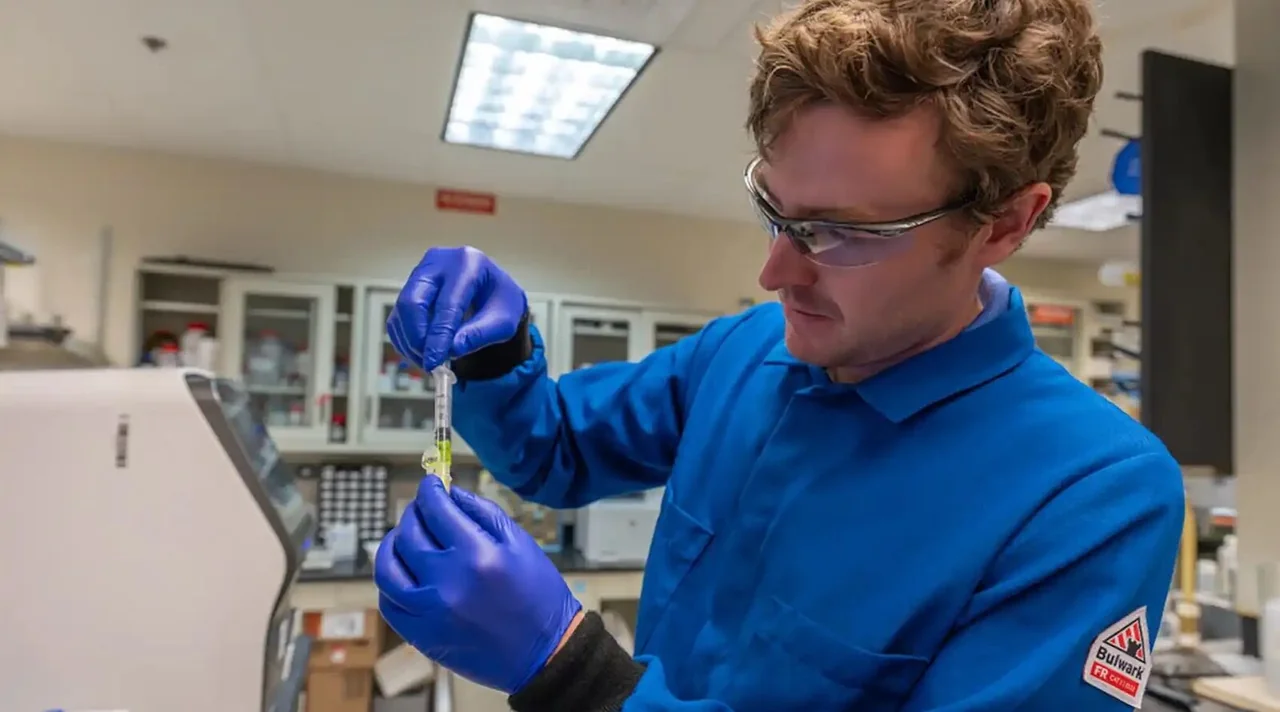
A new atlas project aims to catalog proteins that bind to rare earth elements, potentially boosting the domestic supply of these critical minerals. Led by the National Laboratory of the Rockies and supported by Pacific Northwest National Laboratory, the project seeks to address the list of 60 critical minerals identified as vital to the national economy but at risk of disrupted supply chains.
The atlas may help bolster the nation's supply of neodymium, praseodymium, dysprosium, terbium, and other members of the lanthanide class of elements. These elements are essential to creating powerful magnets used in electrical generators, batteries, computers, and MRI scanners—but the United States largely relies on importing these elements from China.
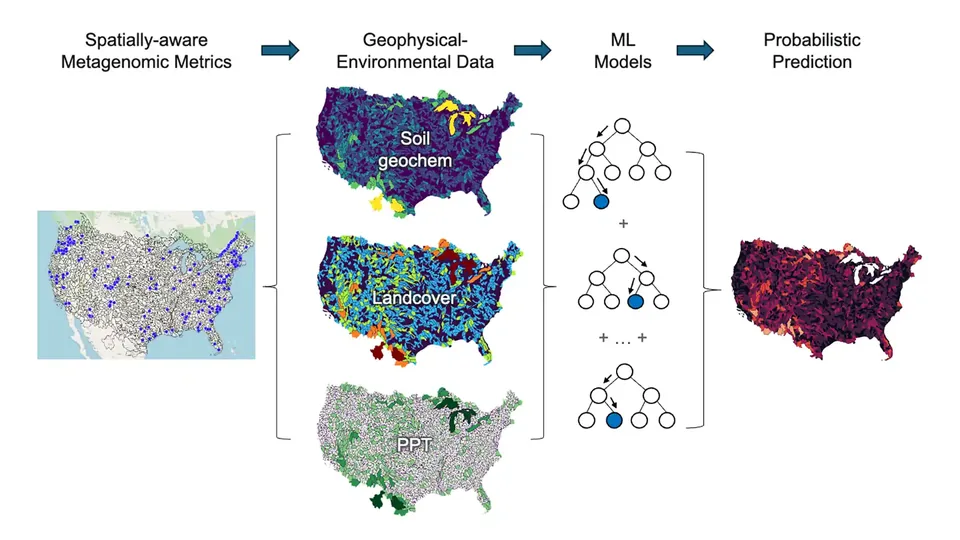
The project's bioprospecting tool uses machine learning to identify geographic areas within the United States likely to be rich in naturally occurring proteins that bind to rare earth elements. Then, researchers will develop methods to optimize the metal-binding process, with a goal of using specific proteins to bioaccumulate metals from domestic wastes.
This work is part of the National Laboratory of the Rockies' critical minerals research focus, aiming to enable rare earth mineral accumulation and refining right here in the United States—a step toward an affordable, fully domestic supply of critical minerals.
The team will leverage PNNL's large environmental datasets to layer on metagenomic, geophysical, and environmental data. Combined, these layers will allow researchers to understand the natural diversity of proteins that utilize rare earth elements and predict where to find more.
By understanding the natural diversity of these proteins, scientists hope to redesign them for better metal-refining processes. This could lead to a more efficient and cost-effective way to refine critical minerals.
The project's success would not only benefit the nation's critical mineral supply chain but also contribute to a more sustainable and environmentally friendly approach to refining rare earth elements.
As the demand for critical minerals continues to grow, it is essential that we explore innovative solutions like this bioprospecting tool to ensure a stable and secure supply of these essential elements.
The atlas project represents a significant step forward in the nation's efforts to diversify its critical mineral resources and reduce reliance on foreign imports.
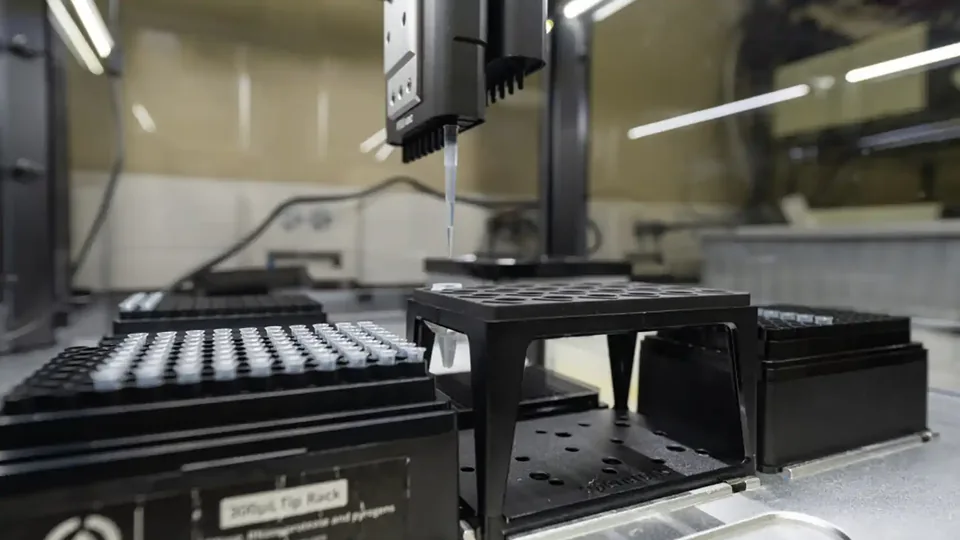
The development of a bioprospecting tool could significantly impact the nation's critical mineral refining capabilities.