
Africa's solar deployment has been a topic of interest for several years now, with many observers predicting significant growth in the coming years. Despite initial predictions of a major surge in 2026, the actual numbers are telling a different story. However, the latest data suggests that Africa is indeed on track to become a major player in the global solar market.
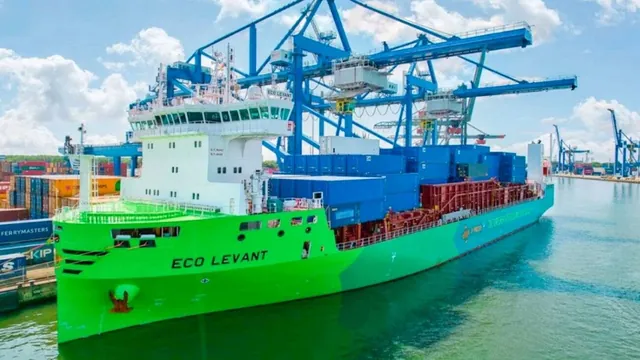
The African Continental Free Trade Area has played a crucial role in facilitating trade and investment in the region. The ease of movement of physical hardware has made it possible for companies to import equipment and materials needed for solar projects, which has helped to drive growth in the sector. Additionally, the increasing demand for clean energy and reliable power has created new opportunities for solar and storage solutions.
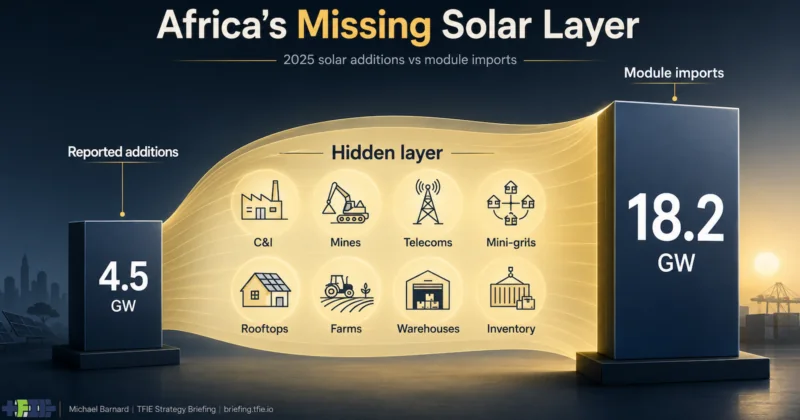
According to the Global Solar Council, Africa installed approximately 4.5 GW of new solar PV in 2025, representing a 54% year-over-year increase. While this number may not seem like a lot compared to other regions, it is still significant considering the continent's growing energy needs. Furthermore, the fact that African countries are importing large quantities of solar modules suggests that there is a strong demand for these technologies.
The discrepancy between the installed capacity and module imports is striking, with 18.2 GW of solar modules imported in 2025 compared to the reported 4.5 GW of new installations. This gap highlights the complexity of the African energy landscape and the need for more accurate data collection and analysis.
However, it's essential to note that not all of these modules are necessarily being used for commissioned projects. Some may be inventory, while others might be headed to projects that have not yet been completed or delayed. Additionally, some modules might be re-exported or sitting in warehouses waiting for financing or other necessary components.
The African solar market is still in its early stages, and the industry faces various challenges, including grid reliability, diesel prices, and governance issues. Nevertheless, the growth of the sector is undeniable, and it's essential to continue monitoring the situation to better understand the dynamics at play.
Improving logistics and reducing costs have been key factors driving the growth of the African solar market. The increasing trade integration and Chinese-built infrastructure have made it easier for companies to import equipment and materials needed for solar projects.
The fact that Africa is now a significant player in the global solar market has far-reaching implications for the continent's energy landscape. As the demand for clean energy continues to grow, it's likely that we'll see more investments in solar and storage solutions, which will help reduce reliance on fossil fuels and mitigate climate change.
Further research is needed to understand the full extent of the African solar boom and its potential impact on the region's energy sector. However, one thing is clear: Africa is on track to become a major player in the global solar market, driven by increasing demand for clean energy and improving logistics.
The African solar market is an exciting development that has the potential to transform the continent's energy landscape. As we move forward, it will be essential to continue monitoring the situation and providing support to companies and governments working to develop this sector.
The African solar market is gaining momentum, driven by increasing demand for clean energy and improving logistics.