
African countries' oil dependence creates economic vulnerability to global price volatility.
Kenya's reliance on imported fuel has severe consequences for the shilling and household budgets.
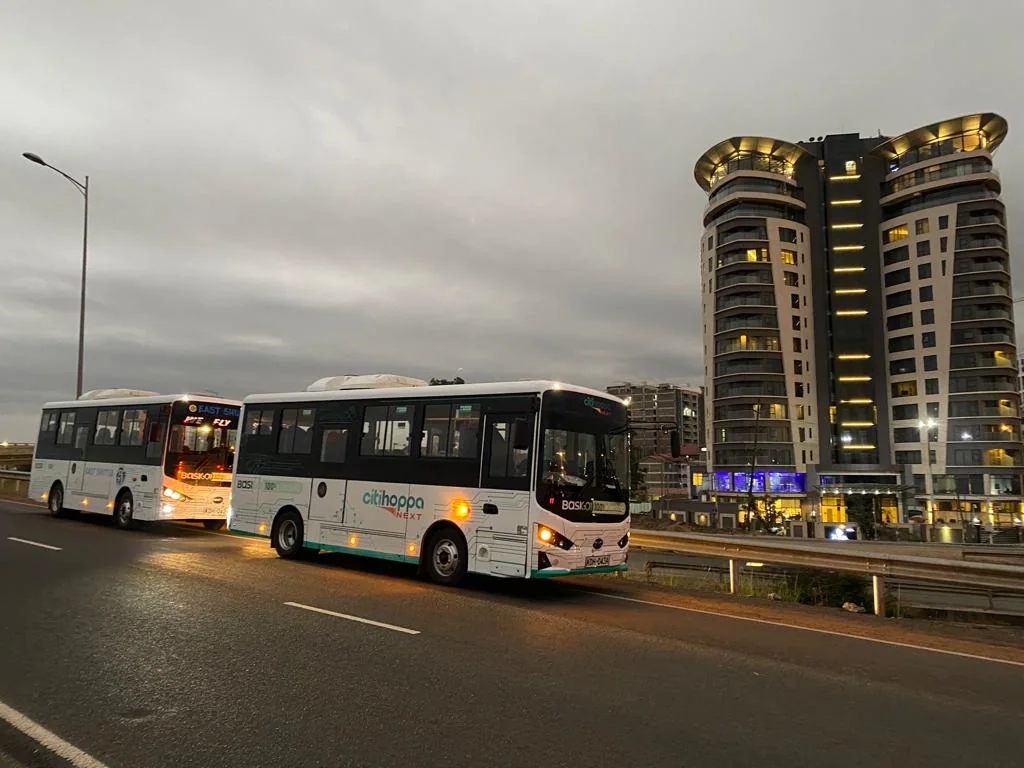
Electric buses offer a practical solution to absorb excess clean energy and stabilize businesses.

The shift towards e-mobility is not just technological, but also economically driven.
Public transport, including buses, plays a vital role in urban mobility.
Fuel price shocks have devastating effects on bus operators' margins and commuters alike.
Governments face pressure from fuel imports draining foreign exchange reserves.
Kenya's renewable energy surplus presents an opportunity to power electric buses.
The transition to e-mobility is critical for strengthening economic resilience and security.
As the world shifts towards sustainable transport, Africa must seize this chance to transform its urban mobility landscape.
The transition to e-mobility is achievable, but timelines vary across countries.