
Fleetzero, a leading developer of marine technology, has announced a groundbreaking collaboration with Thoma-Sea Marine Constructors and Glosten to accelerate the development and deployment of integrated autonomous vessel solutions. The partnership brings together Fleetzero's cutting-edge Leviathan Battery Energy Storage System, propulsion technologies, and autonomy stack, with Thoma-Sea's domestic shipbuilding capacity and Glosten's vessel design expertise.
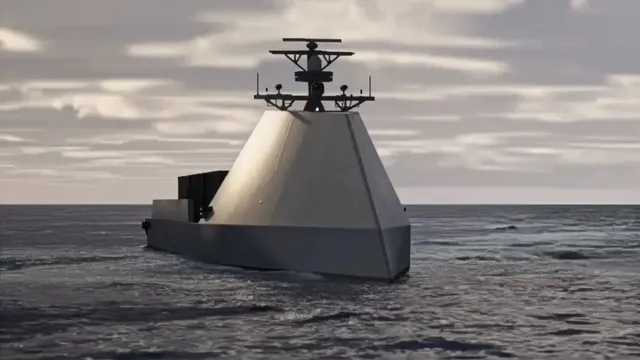
The three companies are developing a tightly integrated autonomous diesel-electric vessel engineered for use in contested waters, persistent operations, and supply delivery with minimal radar cross-section. Its angular design draws inspiration from low-profile and stealth vessels in military use today and elevates the propulsion technology for long-range, low-signature missions.
This collaboration aligns with Department of War, MARAD, and Coast Guard priorities, including the Modular Open Systems Approach (MOSA). The combined platform addresses a wide range of operational needs, including autonomous and remotely operated cargo operations; persistent ISR, patrol, and contested logistics missions;
Fleetzero's autonomy strategy began with improving the propulsion system, a key enabler for eliminating maintenance required while in autonomous mode. Fleetzero's diesel-electric propulsion with the Leviathan Battery System unlocks long-duration autonomy missions.
The integration of advanced technologies in the maritime industry is crucial for meeting future demands and reducing environmental impact. As the world shifts towards more sustainable and efficient transportation solutions, companies like Fleetzero are playing a vital role in shaping the future of marine technology.
Fleetzero's Leviathan Battery Systems provide minimal noise and heat signature, engineer out unnecessary parts, and typically deliver double the energy density compared to other maritime battery systems. This reduces the total bill of materials to manufacture at scale, and dramatically cuts operating expenses over the vessel's lifespan while enhancing reliability and survivability in contested waters.
Thoma-Sea Marine Constructors, founded in 1989 and based in Houma, Louisiana, operates new construction yards in coastal Louisiana. Thoma-Sea was selected by the U.S. Navy's Naval Sea Systems Command to design and build the NOAA Oceanographer-class research vessels under a $178 million contract, and has delivered Navy-administered Foreign Military Sales vessels for allied customers.
By integrating Fleetzero's power and autonomy systems into Thoma-Sea built hulls, the collaboration delivers a domestically built, autonomy-ready vessel that meets Jones Act and U.S.-content requirements. This not only supports domestic industries but also enhances national security by reducing reliance on foreign-built vessels.
The integration of advanced technologies in the maritime industry is crucial for meeting future demands and reducing environmental impact.