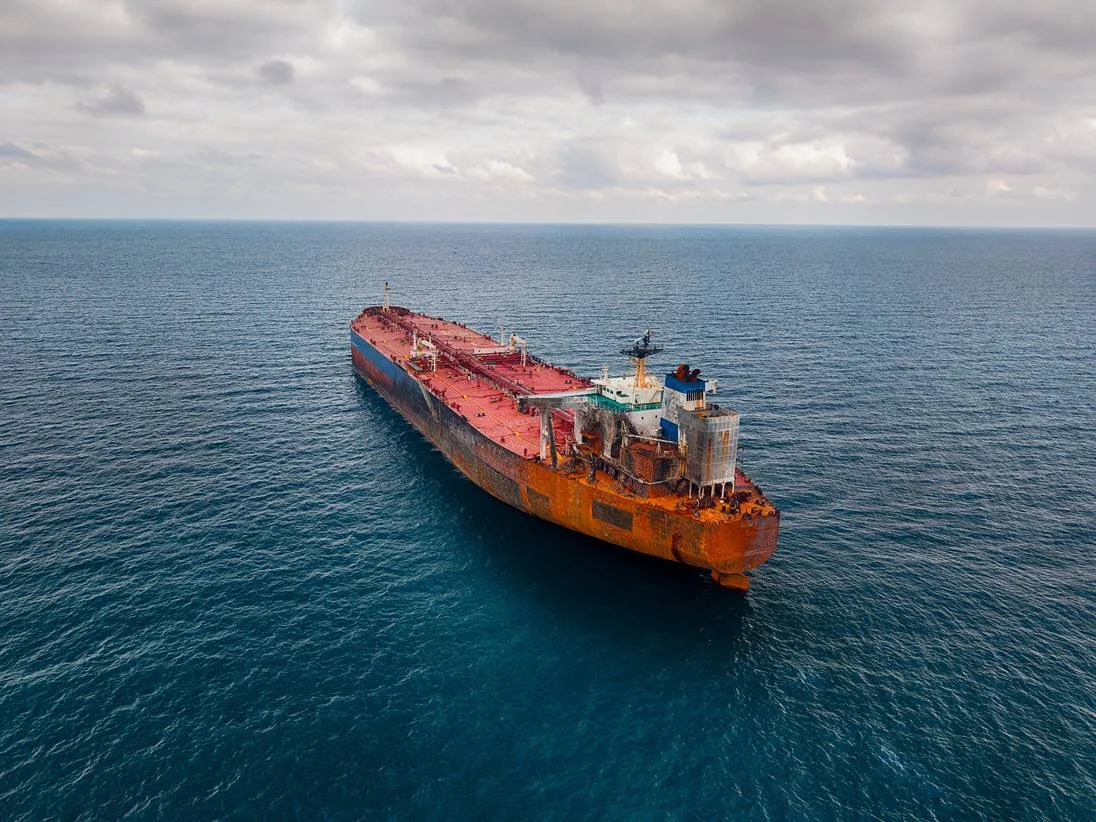
The recent 59th Committee meeting of the Paris Memorandum of Understanding on Port State Control (Paris MoU) in Glasgow highlighted growing concerns over deceptive maritime practices. The meeting, which took place from May 18 to 22, saw a continuous rise in the detention rate to 4.18% in 2025, up from 4.03% in 2024 and 3.81% in 2023. This increase underscores the critical role of Port State Control as a vital safety net, particularly in addressing risks associated with ships operating with fraudulent registrations and certificates.
The Committee's discussions on deceptive maritime practices have prompted the development of practical guidance for handling different scenarios of suspected ships. This initiative aims to ensure a harmonized regional response to counter these practices and provide a more effective framework for addressing maritime safety concerns.
As the Paris MoU continues to address these challenges, it is essential to recognize the limitations of Port State Control in addressing risks from ships that intentionally avoid calling at Paris MoU ports. Enhanced international cooperation and ongoing information exchange are crucial in tackling this issue effectively.
The meeting also saw the decision to initiate a process to develop a harmonized, voluntary Port State Control approach for fishing vessels of 24 meters in length and over. A dedicated task force will now develop the core elements required to support this initiative, which is expected to enhance maritime safety in these vessels.
Furthermore, the Committee reviewed the outcomes of the joint Concentrated Inspection Campaign on Ballast Water Management, held from September 1 to November 30, 2025. While compliance with core documentation was generally high, the main finding revealed a distinct gap between formal compliance and practical operational effectiveness on board.
The Paris MoU emphasizes that ensuring consistent, correct operation and robust crew training remains essential to achieving environmental objectives of the Convention. The Committee's focus on this aspect highlights the importance of prioritizing crew training and operational readiness in maritime safety initiatives.
In parallel, the Committee considered progress made in preparing for upcoming joint Concentrated Inspection Campaigns with the Tokyo MoU, reconfirming Cargo Securing for 2026 and Enclosed Space Entry for 2027. This development builds on extensive experience gained from Focused Inspection Campaigns conducted over recent years.
The Committee's efforts to enhance the overall effectiveness of inspection campaigns are also noteworthy. These enhancements build on experience gained from trial-based inspections, covering diverse operational areas such as Pilot Transfer Arrangements and ECDIS.
Ultimately, the Paris MoU's initiatives underscore the need for a more coordinated global approach to addressing maritime safety concerns. As the industry continues to evolve, it is essential to prioritize cooperation and information exchange among nations to ensure effective regulation and enforcement of maritime safety standards.
The Paris MoU's efforts highlight the need for a more coordinated global approach to addressing maritime safety concerns.