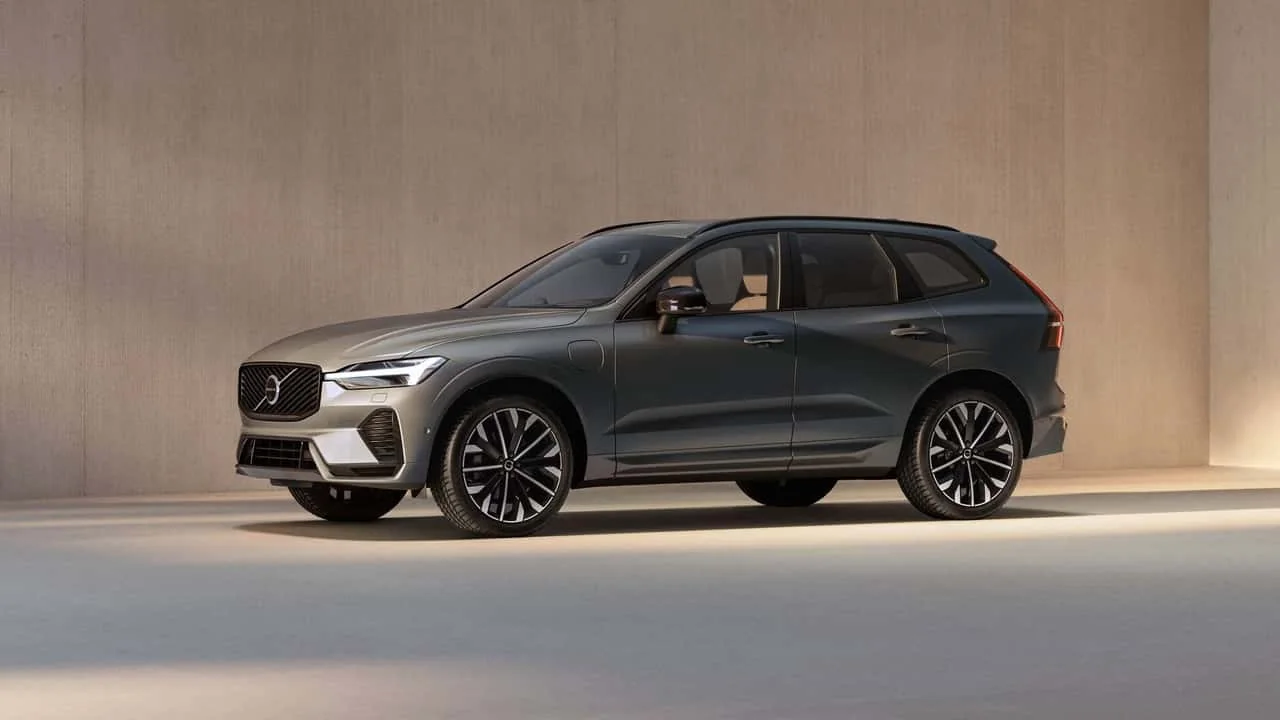
The current XC60 T8 plug-in hybrid offers a respectable 35 miles of electric power, making it an attractive option for those looking for a fuel-efficient vehicle. However, with the 2028 model expected to nearly triple that range, Volvo is poised to make a significant impact on the market. This upgrade could also have implications for other manufacturers and their own plug-in hybrid offerings.
The XC60 T8 has been a popular choice among consumers due to its balance of performance and fuel efficiency. With the increased electric range, Volvo is likely to attract even more customers looking for an environmentally friendly option. However, this significant upgrade may also raise the bar for other manufacturers, forcing them to reevaluate their own plug-in hybrid strategies.
One of the key factors driving this upgrade is the growing demand for electric vehicles. As consumers become increasingly aware of the environmental benefits of EVs, manufacturers are responding by investing in more efficient and sustainable technologies. Volvo's decision to significantly boost the range of its XC60 T8 plug-in hybrid reflects this trend.
The increased electric range will also have implications for charging infrastructure. With more people opting for longer-range EVs, there will be a greater need for faster and more widespread charging networks. This could lead to significant investments in charging infrastructure, benefiting not just Volvo but the wider automotive industry.
Volvo's commitment to improving its electric offering is part of a broader trend in the automotive sector. Many manufacturers are now investing heavily in EV technology, driven by government regulations and consumer demand. As this trend continues, we can expect to see even more significant upgrades and innovations in the years to come.
The impact of this upgrade will also be felt in terms of pricing and competitiveness. With a significantly increased electric range, Volvo may be able to offer its XC60 T8 plug-in hybrid at a lower price point than some of its competitors. This could make it an even more attractive option for consumers looking for a fuel-efficient vehicle.
However, the significant upgrade also raises questions about the long-term viability of plug-in hybrids. As battery technology continues to improve and charging infrastructure expands, the need for these vehicles may decrease. Nevertheless, Volvo's decision suggests that the company remains committed to its electric strategy, even if it means investing in more expensive technologies.
The 2028 model's increased electric range is likely to be a major selling point for Volvo. With this upgrade, the XC60 T8 plug-in hybrid will be one of the most impressive and efficient vehicles in its class. This could give Volvo a significant competitive advantage in the market, particularly among consumers who prioritize fuel efficiency and sustainability.
Overall, the significant range increase for the 2028 Volvo XC60 T8 plug-in hybrid is a major development that could have far-reaching implications for the automotive industry. As manufacturers continue to invest in EV technology, we can expect to see even more innovative solutions and upgrades in the years to come.
This significant upgrade suggests Volvo is committed to improving its electric offering and staying competitive in the market.