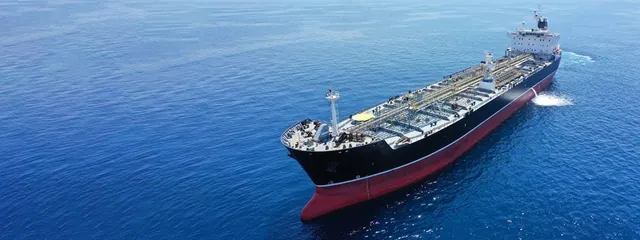
Long-distance ferry routes are a vital part of Japan's national transport infrastructure, connecting its four major islands and key population centers. The fleet renewal process has been ongoing for two decades, driven by freight demand, cost efficiency, and government initiatives to promote sea transport over land. This cohesive approach has seen construction focused on Japanese shipyards, ensuring the competitiveness of sea transport.
The renewed focus on efficiency and comfort reflects a shift towards more leisure travel and a reduction in truck drivers, who are struggling to find work due to labor shortages. New-generation vessels now prioritize passenger standards, offering a better experience for those traveling by ferry.
Mitsubishi Shipbuilding's Enoura plant at Shimonoseki is a leading force in large ferry construction, with its latest vessel, the 14,157 gt Keyaki, setting a new benchmark in efficiency and comfort. The Keyaki incorporates measures promising a 5% cut in energy consumption compared to its predecessors.
The Keyaki's design features a raft of improvements, including an optimized hull form, anti-roll tank, and fin stabilizers, which enhance propulsion resistance, speed keeping in adverse conditions, and onboard habitability and comfort. Its four-engine, diesel-mechanical driveline solution also reduces power consumption and maintenance costs.
The new generation of vessels is expected to have a significant impact on the environment, with reduced energy consumption and lower CO2 emissions. The introduction of two-stroke propulsion systems, such as those used in MOL's Sunflower Pirka, will further reduce emissions.
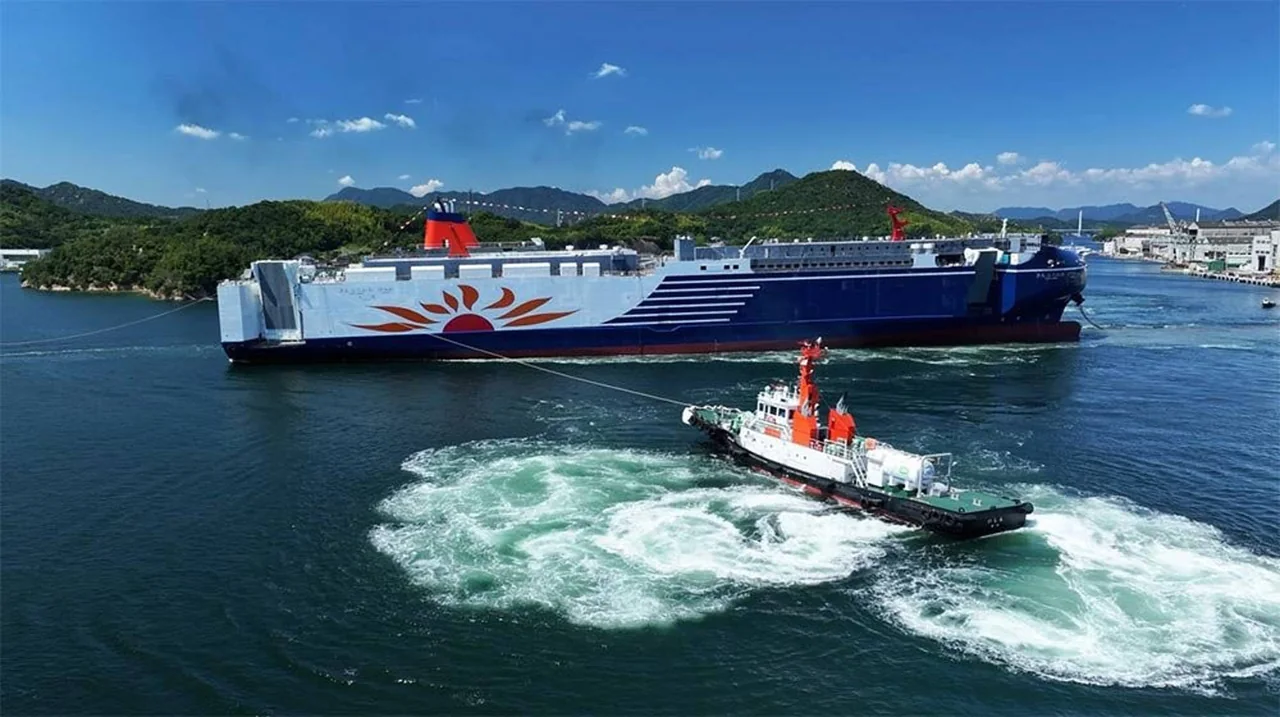
Mitsui OSK Lines' subsidiary MOL Sunflower has specified an MAN dual-fuel, low-speed main engine for its latest fleet project, which will contribute to a 35% reduction in CO2 emissions. The vessels will also feature streamlined hull shapes and spray tearing plates to reduce wave-induced resistance.
The new ships will primarily be used for freight transportation, with a focus on shifting fresh produce southbound to the densely populated Tokyo/Yokohama region. They will also have passenger berths, expected to be regularly used by truck drivers and business travelers.
Tsugaru Kaikyo Ferry's 2025 output from its Setoda yard included the 144-metre Blue Grace, which can load 64 x 12-metre trucks and 30 cars, and has capacity for 422 passengers. The new ship's arrival has led to the release of its predecessor, Blue Luminous, for a logistic role with Japan's Ministry of Defense.
The introduction of these new vessels is expected to have a positive impact on Japan's highways, reducing congestion and promoting more efficient transportation options.
The introduction of more efficient and comfortable vessels is expected to have a positive impact on the environment and reduce congestion on Japan's highways.