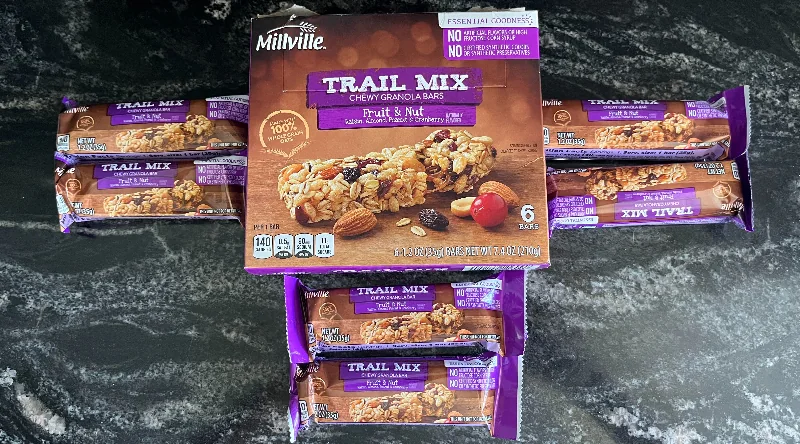
Our diets are largely driven by routine, with many of us grabbing quick snacks or meals on-the-go. This can include everything from coffee and pastries to granola bars and fast food lunches. As a result, our dietary habits are often shaped by convenience rather than nutrition.
The way we eat is deeply ingrained in our culture, with many of us valuing the ease and tastiness of processed meal selections. However, this can come at a cost, particularly when it comes to the environmental impact of our food choices. Agriculture production is a significant contributor to climate damage, with many foods being sourced in ways that are warming our planet.
The US federal government has launched several initiatives aimed at promoting healthier eating habits, including the Make America Healthy Again (MAHA) Commission. The commission's strategy report was expected to offer valuable insights into US diets and suggestions for improving health outcomes. However, the report fell short of expectations in some key areas.
One of the most significant omissions from the MAHA report was its failure to adequately address the prevalence of ultraprocessed foods on US health. Despite acknowledging the importance of nutrition and food systems, the report did not provide sufficient guidance or support for reducing the consumption of unhealthy foods.
The report's lack of concrete action on agricultural innovation and peer-reviewed evidence was also disappointing. The commission's promises to 'support potential future research and policy activity' and explore 'potential industry guidelines' about marketing unhealthy food to children were seen as vague and lacking in substance.
Despite these criticisms, the MAHA report did highlight the importance of food and fitness in our lives. The commission's emphasis on personal stories and narratives was also seen as a positive step forward, with many rural communities benefiting from the report's focus on community-based initiatives.
The food industry is a complex and multifaceted sector that plays a critical role in shaping our dietary habits. As consumers, we have a responsibility to make informed choices about the foods we eat, and to support companies that prioritize nutrition and sustainability.
Clean eating, which focuses on choosing whole and less processed foods, is an approach that has gained significant traction in recent years. By making healthier food choices, individuals can have a positive impact on their own health and wellbeing, as well as contribute to a more sustainable food system.
As we move forward, it is essential that policymakers and industry leaders prioritize the development of evidence-based guidelines and regulations that support healthy eating habits. This could include initiatives aimed at reducing the consumption of ultraprocessed foods, promoting agricultural innovation, and supporting research into the environmental impact of food production.
Ultimately, making a positive change to our dietary habits requires a multifaceted approach that involves individuals, policymakers, and industry leaders working together. By prioritizing nutrition, sustainability, and evidence-based decision-making, we can create a healthier, more sustainable food system for all.
The report's emphasis on personal stories and narratives is a step in the right direction, but more substance is needed.