

California's leadership in banning MTBE is a significant step forward in protecting the environment and public health. By taking action ahead of the federal government, California has shown that it will not hesitate to take bold steps when necessary. This move has had a ripple effect, with 17 other states following suit by the end of 2005.
The use of MTBE was initially seen as a solution to reduce air pollution, but its solubility in water and risk of groundwater contamination made it a major concern. The fact that MTBE was used in high-smog areas like San Francisco only added to the problem.
MTBE's popularity peaked in 1999, with over 200,000 barrels produced daily. However, this came at a cost, as the U.S. Geological Survey found that 20% of groundwater was contaminated with MTBE in areas using refined gasoline.
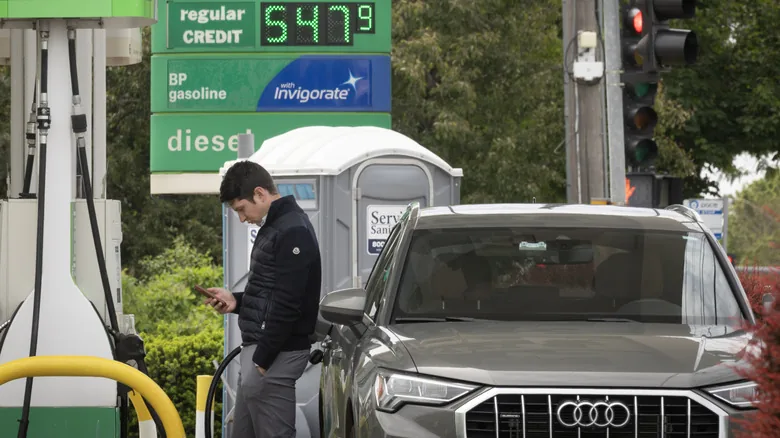
The EPA called for the discontinuation of MTBE due to its health risks, but California took matters into its own hands, instituting a ban on the fuel additive two years earlier than federal guidelines suggested.
The ban on MTBE has significant implications for the environment and public health. By choosing ethanol as a replacement, the EPA has taken a step towards reducing greenhouse gas emissions and promoting cleaner-burning fuels.
However, the science behind oxygenating fuel safely remains a challenge. The use of alternative additives like BTEX highlights the need for ongoing research and regulation to ensure that new technologies are safe and effective.
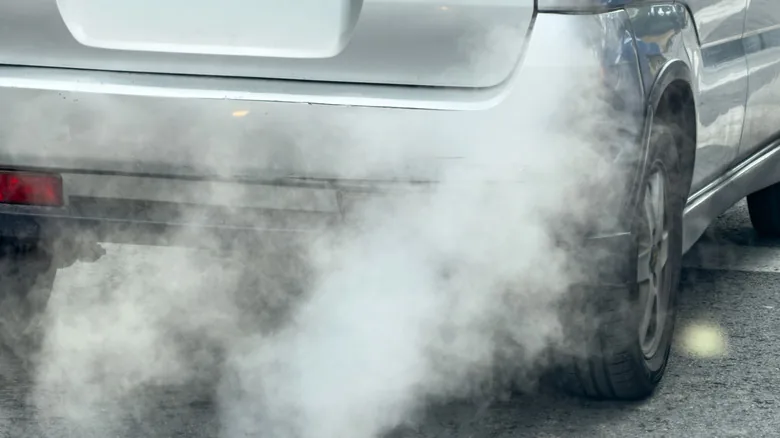
The impact of MTBE on groundwater contamination is still being felt today. As states continue to restrict or ban its use, it's essential that we prioritize education and awareness about the risks associated with this fuel additive.
Ultimately, California's leadership in banning MTBE serves as a model for other states and industries to follow. By prioritizing public health and environmental protection, we can create a safer and more sustainable future for generations to come.
The ban on MTBE highlights the importance of prioritizing public health and environmental protection in regulatory decisions.