
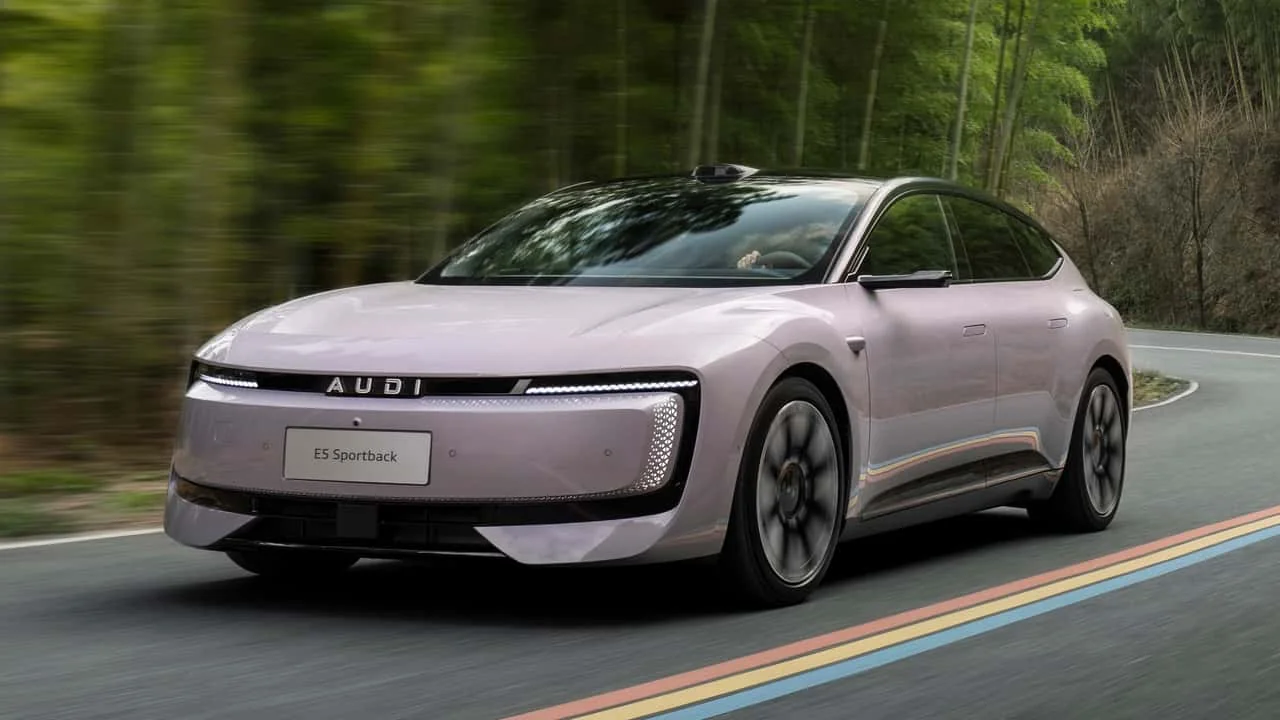
Audi is facing significant challenges in the Chinese market, where it is struggling to compete with established brands like Xiaomi and Zeekr. The company's sales have been declining steadily, prompting it to take drastic measures to regain ground. In a bid to boost sales, Audi has started offering substantial discounts on its E5 Sportback model.
The discount campaign is part of a broader effort by the company to revamp its product lineup and make its vehicles more appealing to Chinese consumers. By slashing prices, Audi aims to increase demand for its cars and reduce inventory levels. However, this strategy raises questions about the long-term sustainability of such tactics in a highly competitive market.
The Chinese market is known for its intense price competition, with brands often engaging in discount wars to attract customers. Xiaomi and Zeekr have been particularly successful in this regard, leveraging their strong online presence and aggressive pricing strategies to outmaneuver established brands like Audi. As a result, Audi must adapt quickly to remain competitive.
Audi's struggles in China are not entirely unexpected, given the country's rapidly evolving automotive landscape. The market has become increasingly saturated with new entrants, including startups like Zeekr, which is backed by Geely and other major automakers. This increased competition has forced established brands like Audi to rethink their strategies and invest heavily in digital marketing and product development.
The E5 Sportback is a popular model for Audi in China, but its sales have been declining due to stiff competition from rivals. By offering discounts on this model, Audi hopes to stimulate demand and regain market share. However, the company's efforts may be hindered by its reputation for producing high-quality vehicles at premium prices.
Audi's decision to offer discounts is a clear indication of the company's willingness to adapt to changing market conditions. The move also highlights the importance of price competitiveness in the Chinese market, where consumers are increasingly prioritizing affordability over brand prestige. As the market continues to evolve, Audi must remain agile and responsive to customer needs.
The discount campaign may have short-term benefits for Audi, but its long-term impact is uncertain. If the company can successfully revamp its product lineup and improve its pricing strategy, it may be able to regain ground in the Chinese market. However, if the discounts fail to stimulate demand, Audi's struggles could persist for an extended period.
The Chinese automotive market is known for its unpredictability, with trends shifting rapidly from one year to another. As a result, companies like Audi must remain vigilant and responsive to changing customer preferences and market conditions. By adapting quickly to these changes, Audi can increase its chances of success in the long term.
Audi's struggles in China serve as a reminder that even established brands must be willing to evolve and adapt to remain competitive. As the market continues to shift towards more affordable and technologically advanced vehicles, companies like Audi must prioritize innovation and price competitiveness if they hope to succeed.
The Chinese market has become increasingly competitive, forcing companies to re-evaluate their strategies.