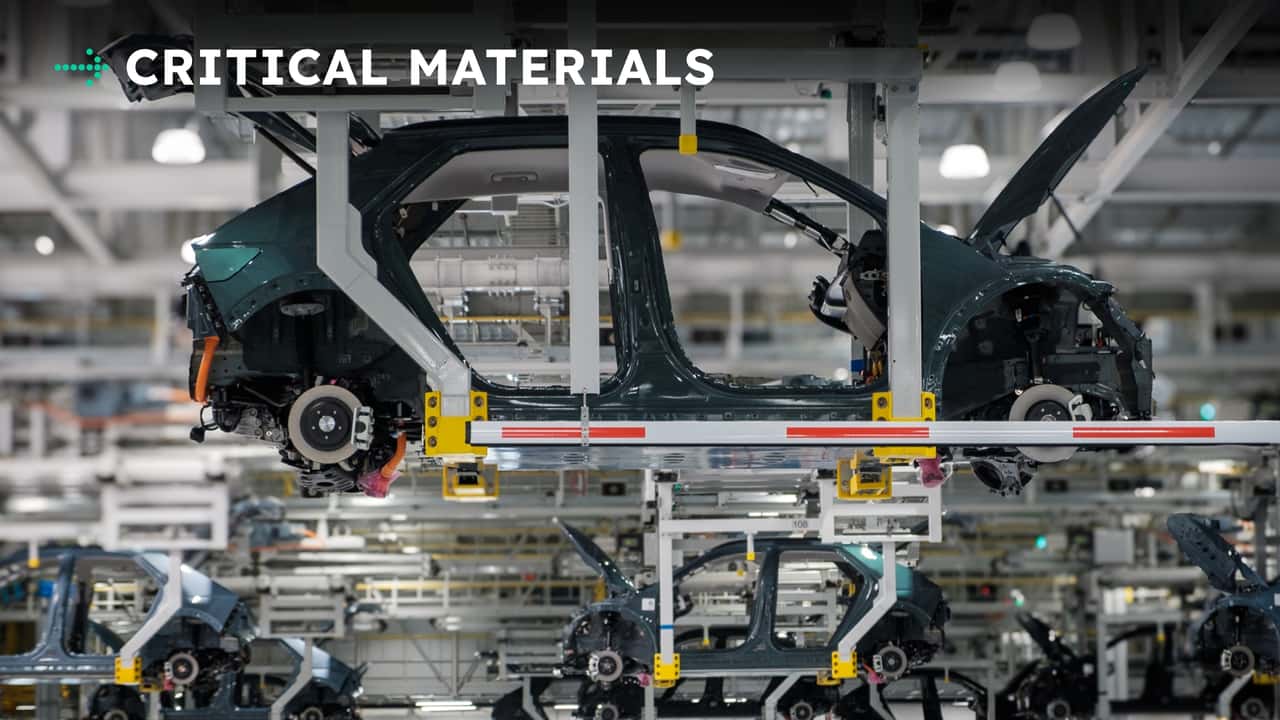
The US government has imposed new tariffs on imported cars from South Korea, increasing the rate to 25%. This move is part of President Trump's ongoing efforts to protect American industries and jobs. The tariffs will apply to all types of vehicles, including passenger cars, trucks, and SUVs, imported from South Korea.
The affected companies include Hyundai and Kia, which are two of the largest automotive manufacturers in South Korea. The new tariffs will take effect immediately, and will be reviewed every six months to determine their effectiveness. The move is seen as a response to what President Trump has described as unfair trade practices by South Korean carmakers.
The US government claims that these companies receive too much support from the South Korean government, which gives them an unfair competitive advantage in the global market. This claim is disputed by many experts, who argue that trade agreements and subsidies are not unique to South Korea. Despite this, President Trump has vowed to continue fighting for American industries and jobs.
The tariffs will have a significant impact on the automotive industry in South Korea, which relies heavily on exports. Hyundai and Kia have already announced plans to cut production and reduce investments in the country as a result of the new tariffs. The move is also expected to affect consumers, who may face higher prices for imported cars.
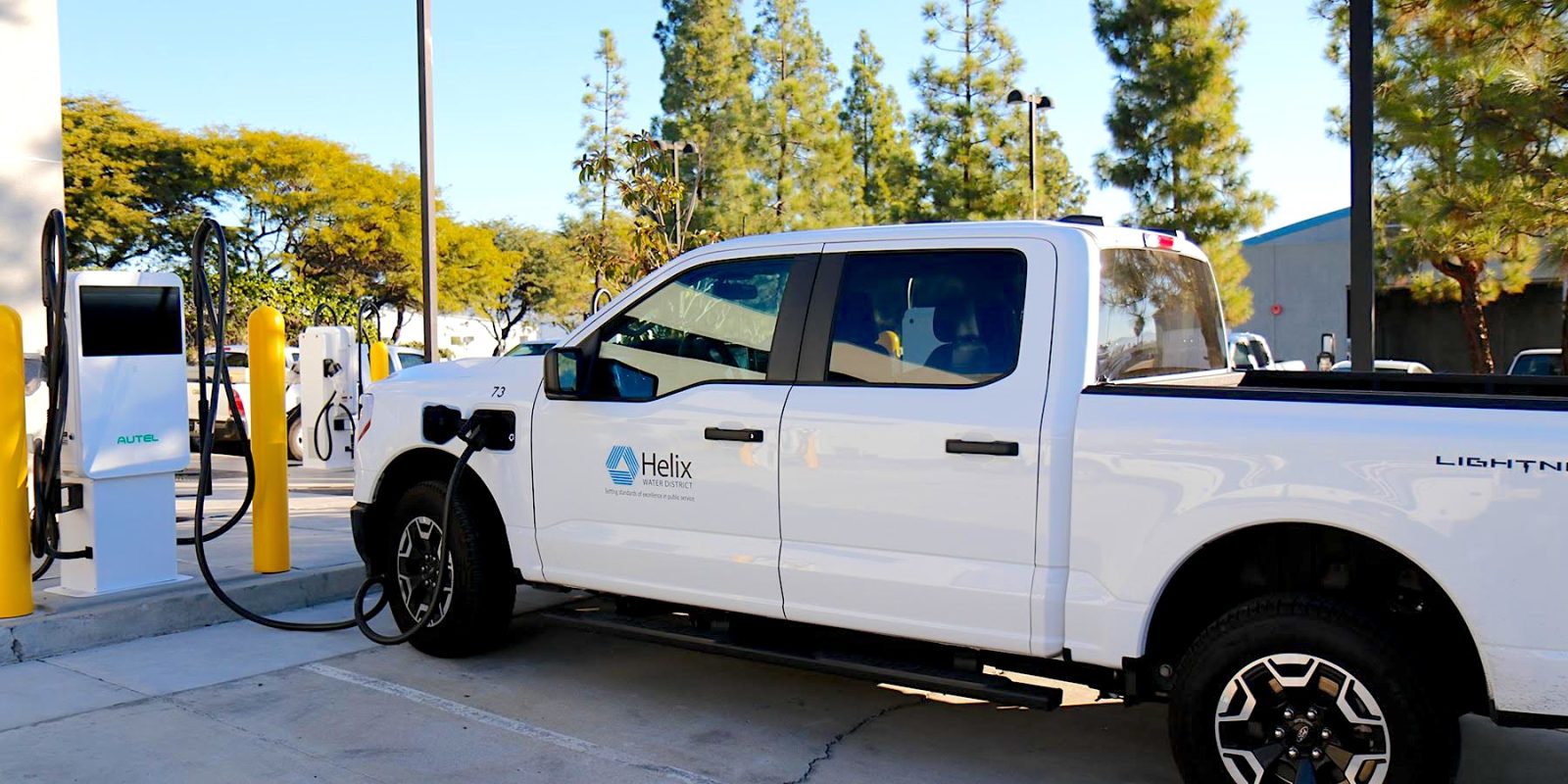
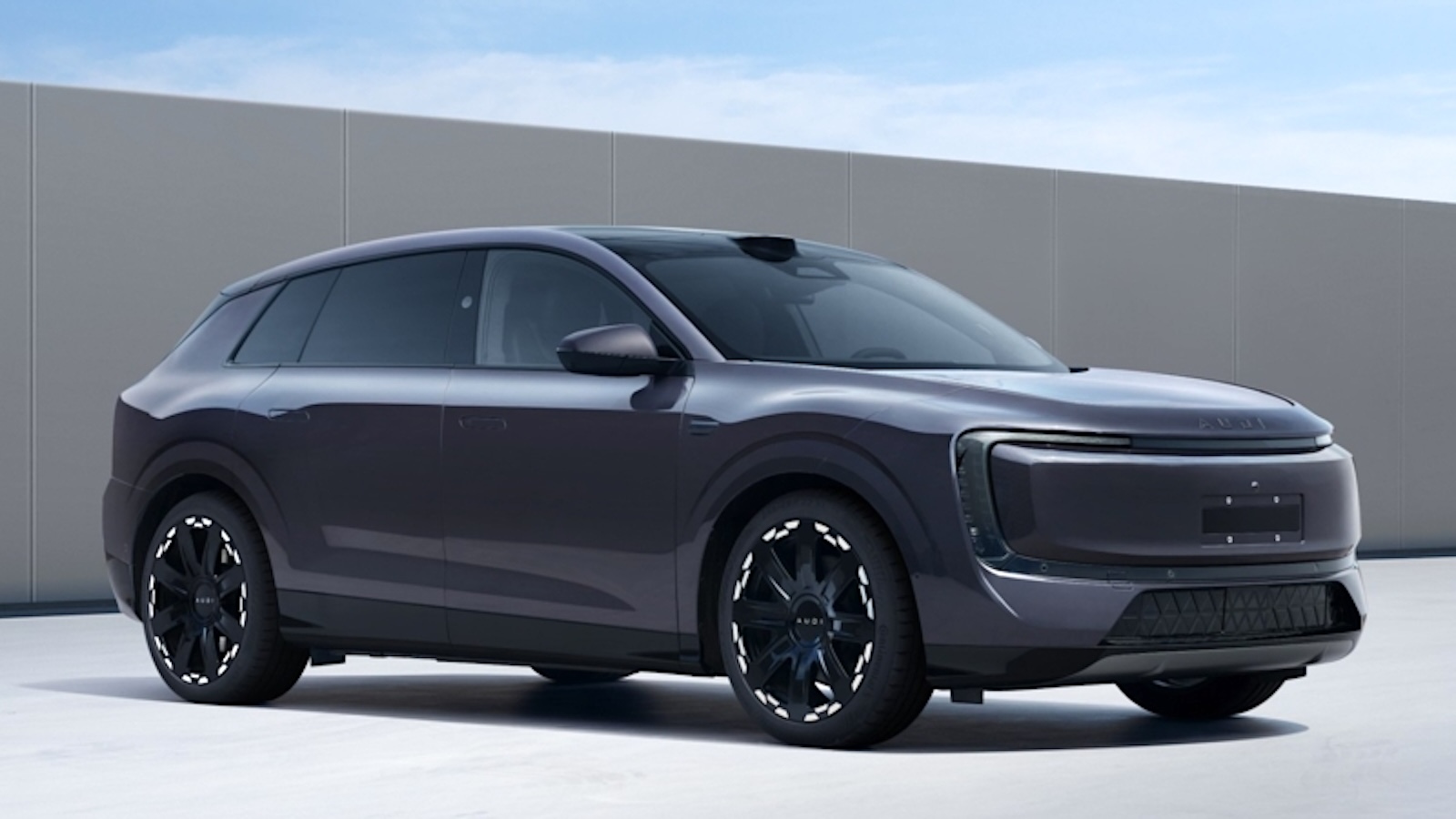
In related news, Jaguar has reaffirmed its commitment to electric vehicles, and several EV charging companies have secured major wins in recent months. This shift towards electric vehicles is seen as a key trend in the automotive industry, with many manufacturers committing to electrify their fleets in the coming years. As the world becomes increasingly focused on sustainability and reducing carbon emissions, it's clear that the future of transportation will be shaped by innovation and technological advancements.
The impact of these new tariffs will be closely watched by industry experts and policymakers alike, who will be eager to see how they affect trade relations between the US and South Korea.
This move is a classic example of protectionism, which can have far-reaching consequences for global trade and economic growth. As the automotive industry continues to evolve, it's essential that policymakers consider the long-term effects of such tariffs on innovation and competition.