


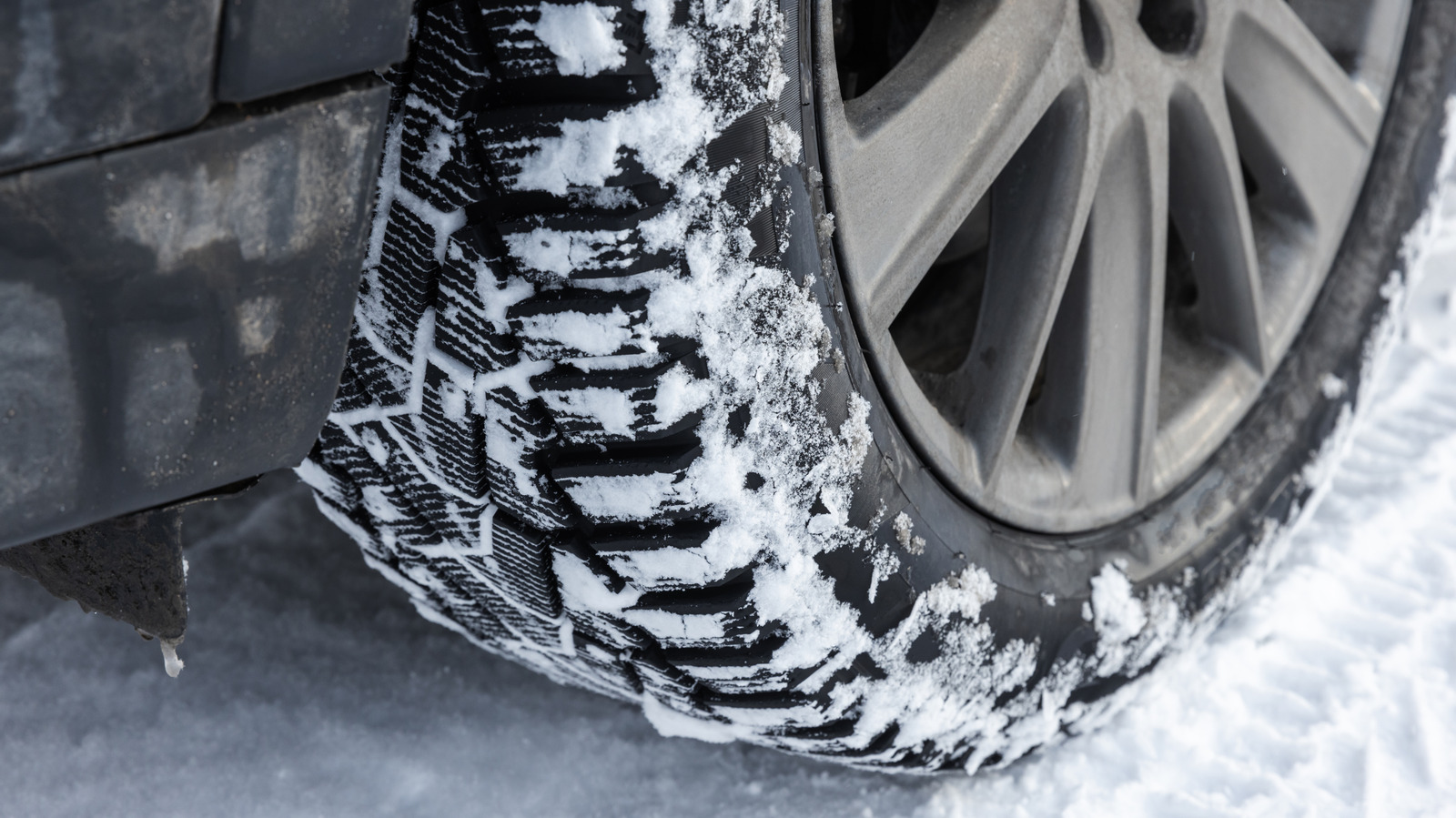
Most drivers may not be aware of the 7-7 rule for tires, which serves as a winter advisory. This rule suggests switching to winter tires when daily temperatures are at or below seven degrees Celsius (45 degrees Fahrenheit) for seven days straight. While it's not a mandatory law, it's essential to understand its significance in maintaining safety and tire life.
The 7-7 rule is particularly crucial because winter tires are designed with specialized rubber compounds that remain flexible in cold temperatures. This flexibility allows them to maintain traction even during adverse weather conditions, making them a vital component of safe driving during the winter months.
For those who prefer a more hands-off approach, tracking daily temperatures and road conditions can be an effective way to determine when to switch to winter tires. However, for many drivers, simply swapping to winter tires when it's cold outside is the most practical solution.
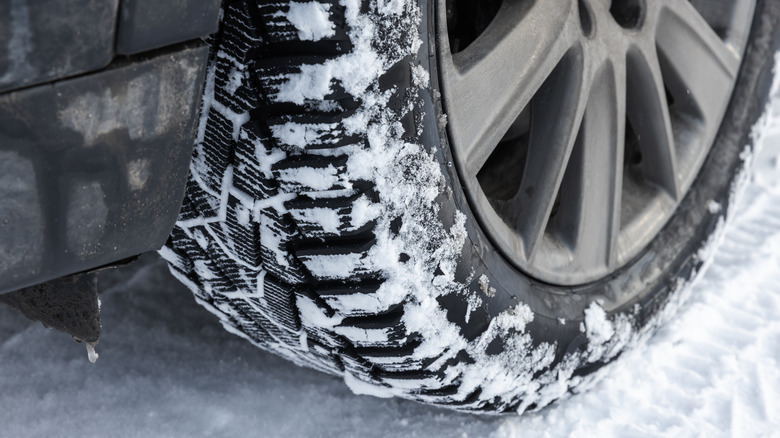
Using all-season tires in wintery weather can lead to extended tire wear, as they're not designed to perform well in cold temperatures. In fact, they tend to perform poorly when conditions are dry and the temperature is above 60 degrees (15-16 degrees Celsius).
Despite their limitations, all-season tires do offer a balance between performance and durability. However, it's essential to note that they're not a one-size-fits-all solution for every driving condition.
Cars equipped with winter tires can stop significantly shorter distances than those with all-season tires in cold conditions. This is evident in tests conducted by reputable automotive publications, highlighting the importance of proper tire selection for safe driving.
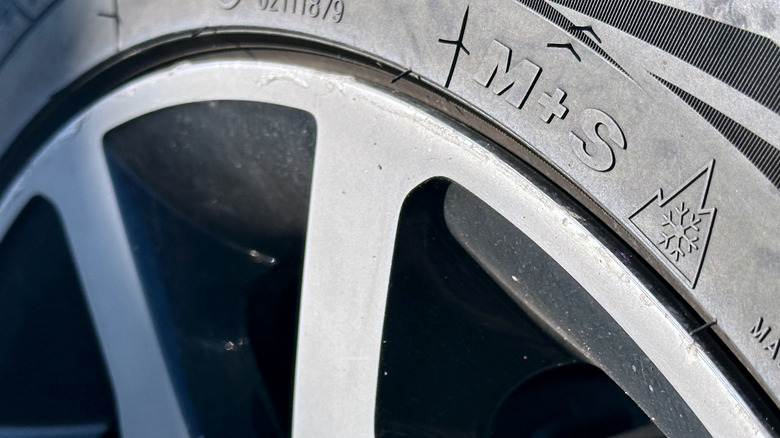
For drivers who live in areas with short and sporadic winter weather, all-weather tires may be a viable option. These tires combine the benefits of winter and all-season tires, offering a compromise between performance and durability.
The debate surrounding studded versus studless tires is ongoing, with each type having its advantages and disadvantages. While studded tires excel on icy conditions, they can be noisier and more expensive.
Switching to winter tires can come with a significant cost, depending on the tire size, brand, and wheel setup. However, for drivers who prioritize safety above all else, the investment may be worth considering.
The 7-7 rule is not just about safety, but also about tire life and performance in adverse weather conditions.