

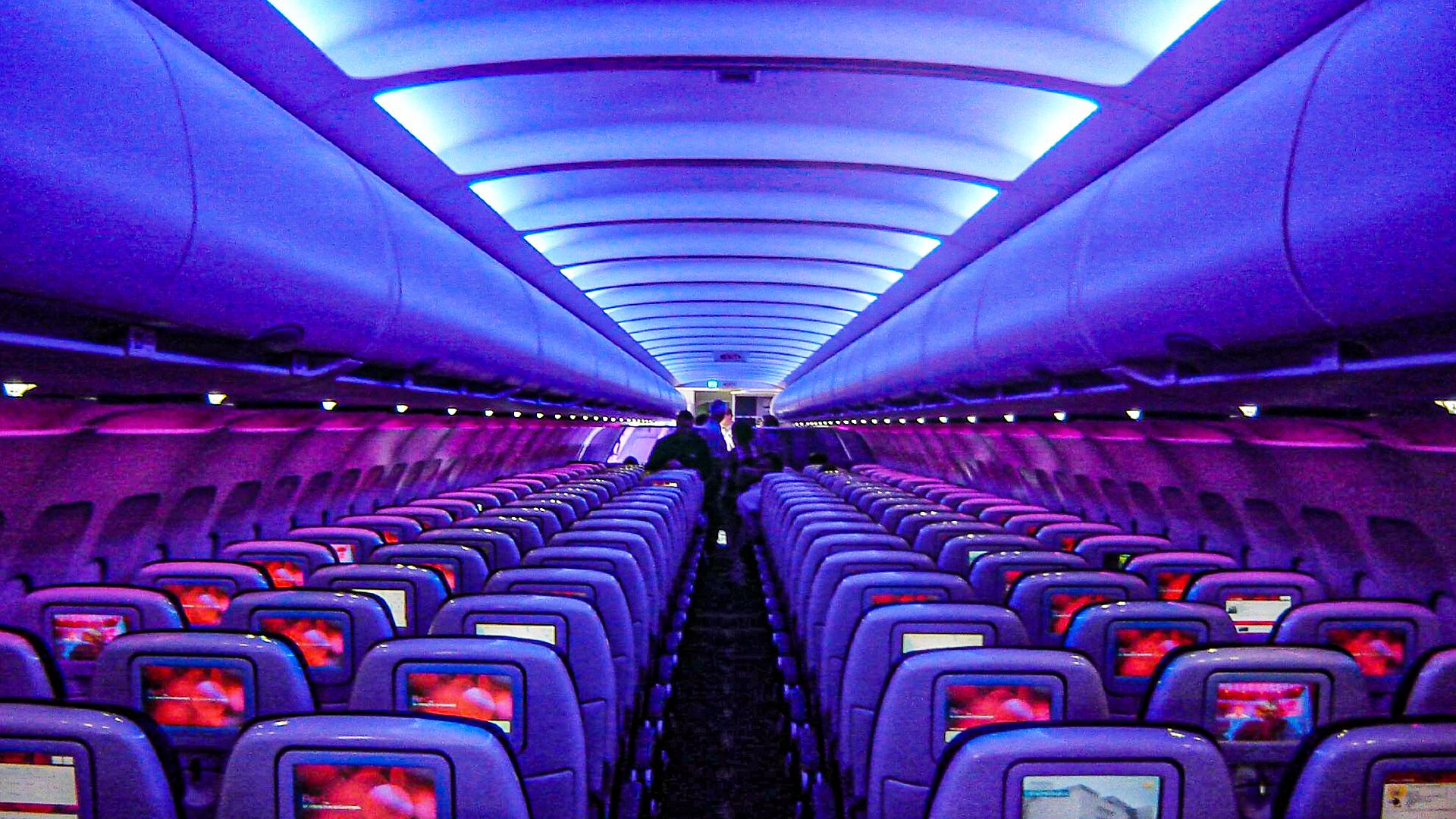
Economy seats are often viewed as the backbone of an airline's operations, providing the bulk of ticket revenue. However, the reality is far more nuanced. While it's true that economy seats generate significant revenue, their profitability can vary greatly depending on several factors. The type of aircraft, route, load factor, fuel prices, and ancillary revenue streams all play a role in determining whether an economy seat can turn a profit on its own.
The airline industry is characterized by thin overall profitability, with airlines aiming to maintain only $7 in net profit per passenger by 2025. This highlights the importance of understanding how different cabin classes contribute to revenue and costs. The debate surrounding economy seats centers around whether they generate enough revenue to cover their share of a flight's costs or if they're more effective as part of a broader strategy.
Airlines derive profitability from a mix of passenger tickets, ancillary fees, cargo, and loyalty-related income. While the ticket remains the core product, the fare itself is just one layer of the revenue story. Ancillary fees, such as checked bags and seat assignments, can significantly boost revenue. Additionally, airlines earn money from onboard sales and, in some markets, selling miles to credit card partners.
Cargo plays a vital role in airline profitability, particularly on long-haul flights where it can carry valuable freight alongside passengers. The belly hold is an essential component of these flights, providing a lucrative source of revenue for airlines.
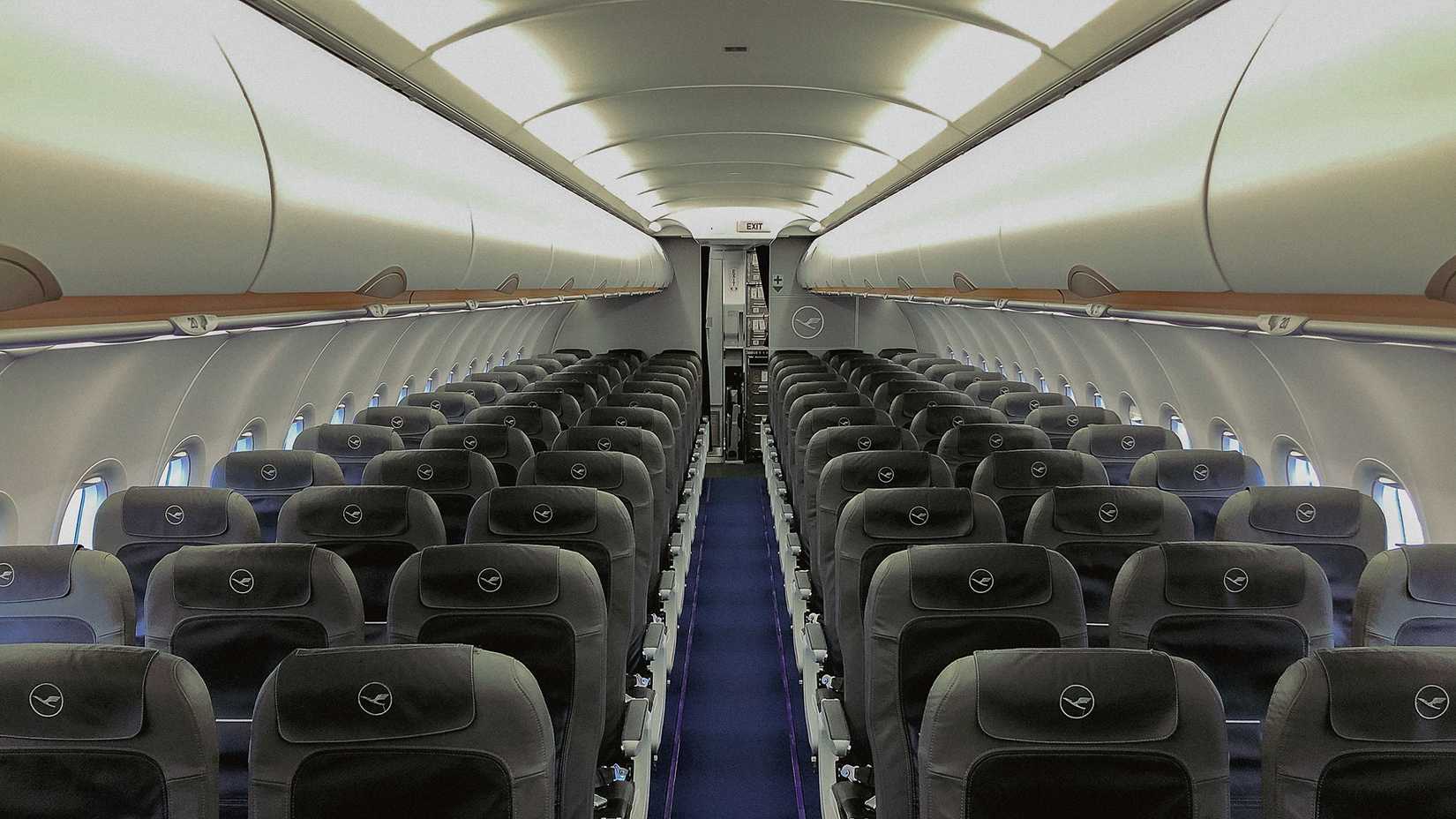
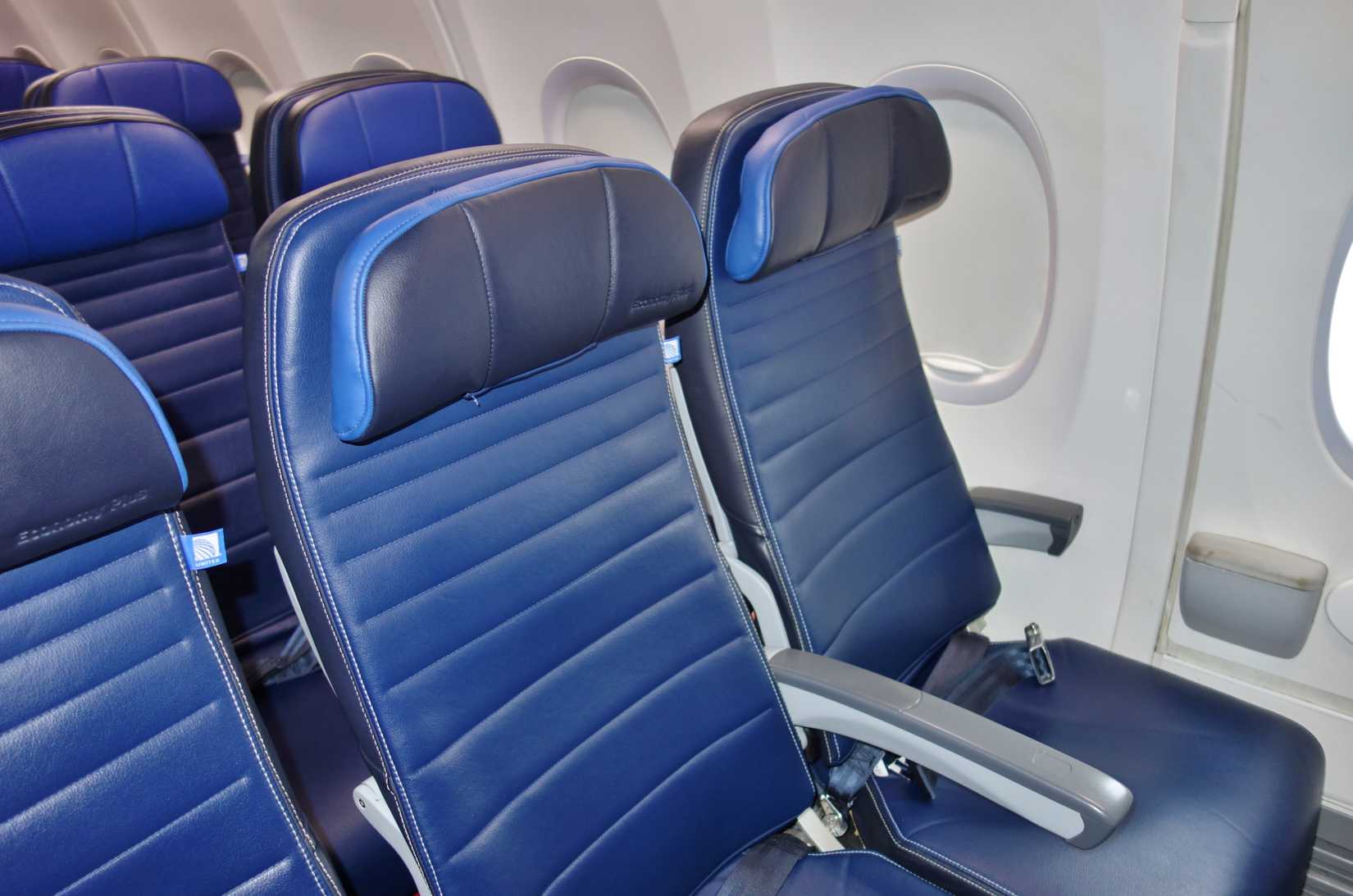
In the standard full-service airline model, economy class fills the majority of seats and produces a large share of total ticket revenue. This helps spread fixed costs across many passengers, making the flight more profitable. However, economy seats tend to have the lowest per-seat yield, earning less revenue per unit of space than premium cabins.
The profitability of an economy seat is often tied to its ability to support scale and feed ancillary sales. A full economy cabin can improve aircraft utilization and deliver strong yields, making it a crucial component of overall airline strategy.
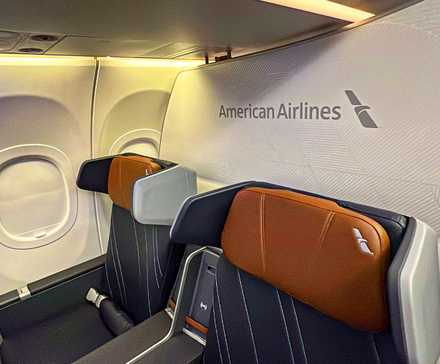
Airlines recognize the importance of premium cabins in delivering high yields and rich margins. These classes tend to have higher per-passenger revenue than economy seats, but their contribution is often limited by the number of available seats.
The relationship between economy seats and ancillary revenue streams is complex. While economy seats can generate significant revenue on their own, they're often more effective when paired with premium cabins and other add-ons.
As airlines continue to navigate the complexities of profitability, it's essential to understand how different cabin classes contribute to revenue and costs. By recognizing the importance of ancillary revenue streams and the role of economy seats in supporting scale and feed sales, airlines can develop more effective strategies for maximizing profitability.
The airline industry's reliance on ancillary revenue streams makes economy seats a crucial component of overall profitability. As airlines continue to innovate and adapt to changing market conditions, it's likely that the importance of economy seats will only continue to grow.
The airline industry's reliance on ancillary revenue streams makes economy seats a crucial component of overall profitability.