
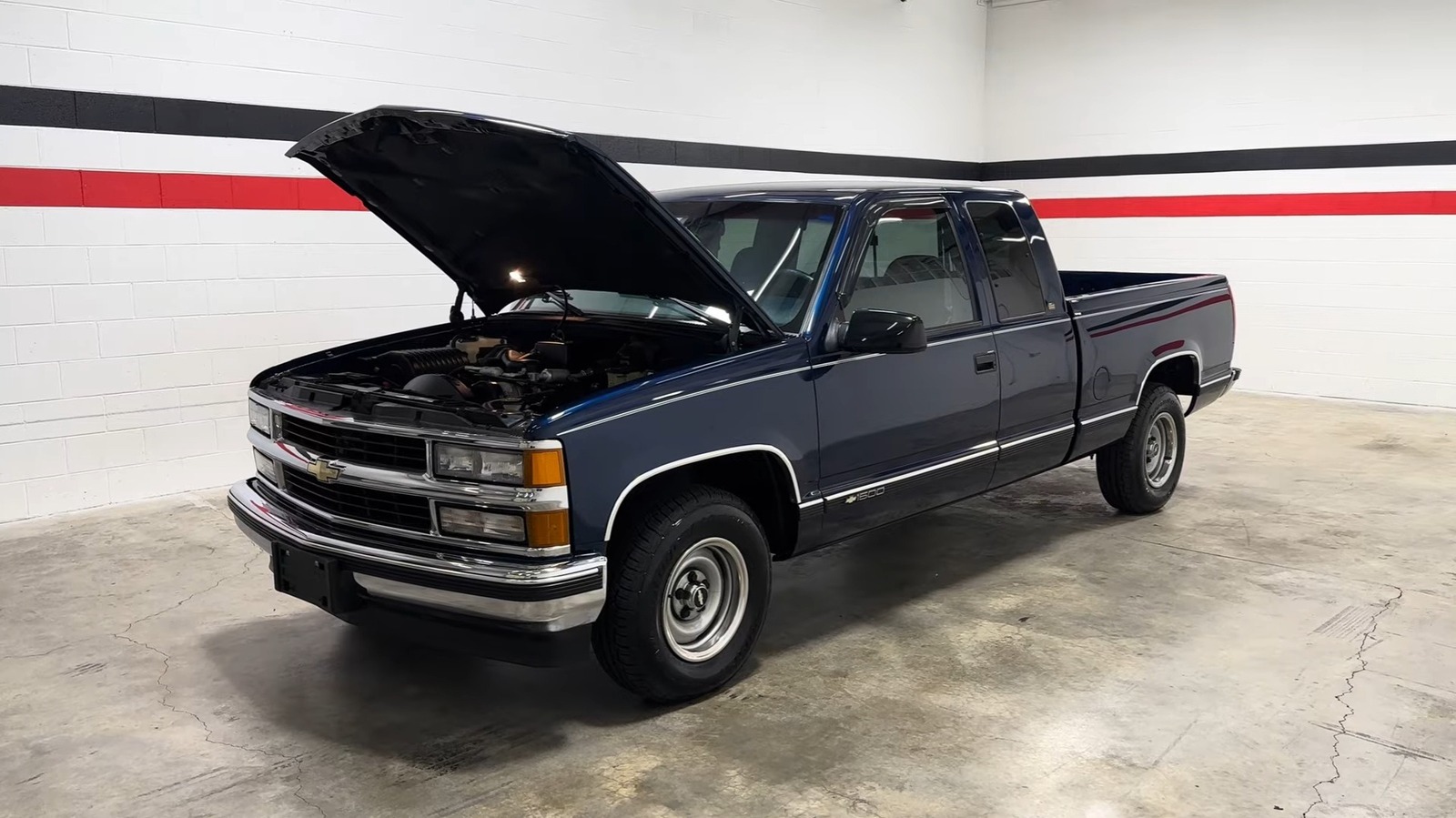
In their later years, Vortec engines have fallen victim to some downsides, like Active Fuel Management, an aggressive thirst for oil, and engine knocking. However, when they were first introduced, these engines were praised for their high-flow cylinder heads, reliable service, and good fuel economy. The mid-'80s saw the release of the 4.3-liter Vortec V6, which became an instant favorite among owners of General Motors' small pickups. Its name comes from its unique vortex technology, which causes the air inside the combustion chamber to whirl around in a circular motion.
This innovative design allowed for increased efficiency and power, making it a popular choice among truck enthusiasts. The 4.3-liter released in 1985 used this technology, but the official line of Vortec engines wouldn't appear until the following decade. As the years went by, several iterations of the Vortec launched, including V8 power plants such as the 5.0-liter and 5.7-liter.
These newer models built upon the original's success, with increased horsepower and torque output. However, they also introduced some key differences between LS and Vortec engines, primarily regarding their usage and materials. Despite these changes, the Vortec engine remained a staple in GM's lineup for decades to come.
Commonly found in models like the Silverado and Sierra pickup trucks, as well as large SUVs such as the Suburban and Yukon, the Vortec engine was widely used across GM's range. The popular 5.3-liter block would arrive just before 2000 and would be followed by the massive 8.1-liter Vortec, which was a big-block answer to the V10s of competitors at the time.
Ultimately, Vortec engines would be replaced with GM's more advanced EcoTec3, though they endured a multi-decade run. This longevity is a testament to their reliability and durability, making them a popular choice among truck owners and enthusiasts alike.
Frequently praised for their dependable performance and lengthy service life, Vortec engines can still be found in force on today's roads. When asked about its advantages, one owner explained that they made 280k miles without any major issues on their 2003 Suburban. This anecdote highlights the engine's ability to withstand heavy use and harsh conditions.
One of the key contributors to this reliability was the foundation of its design, which built upon GM's already stellar small-block 350 design. The Vortec small-block cylinder head, included on truck engines between '96 and 2000, featured enhanced intake and exhaust flow, making it a sought-after swap for enthusiasts looking to add power.
Beyond power and durability, the V8 Vortec's development was also driven by a desire to produce something more efficient. Corporate Average Fuel Economy rules were tightening, but GM knew it couldn't simply tune down engine output without drawing criticism from regulators and consumers alike.
The result was an engine that struck a perfect balance between performance, efficiency, and reliability, making it a staple in GM's lineup for decades.
The Vortec engine's ability to balance power and efficiency made it a staple in GM's lineup for decades.