

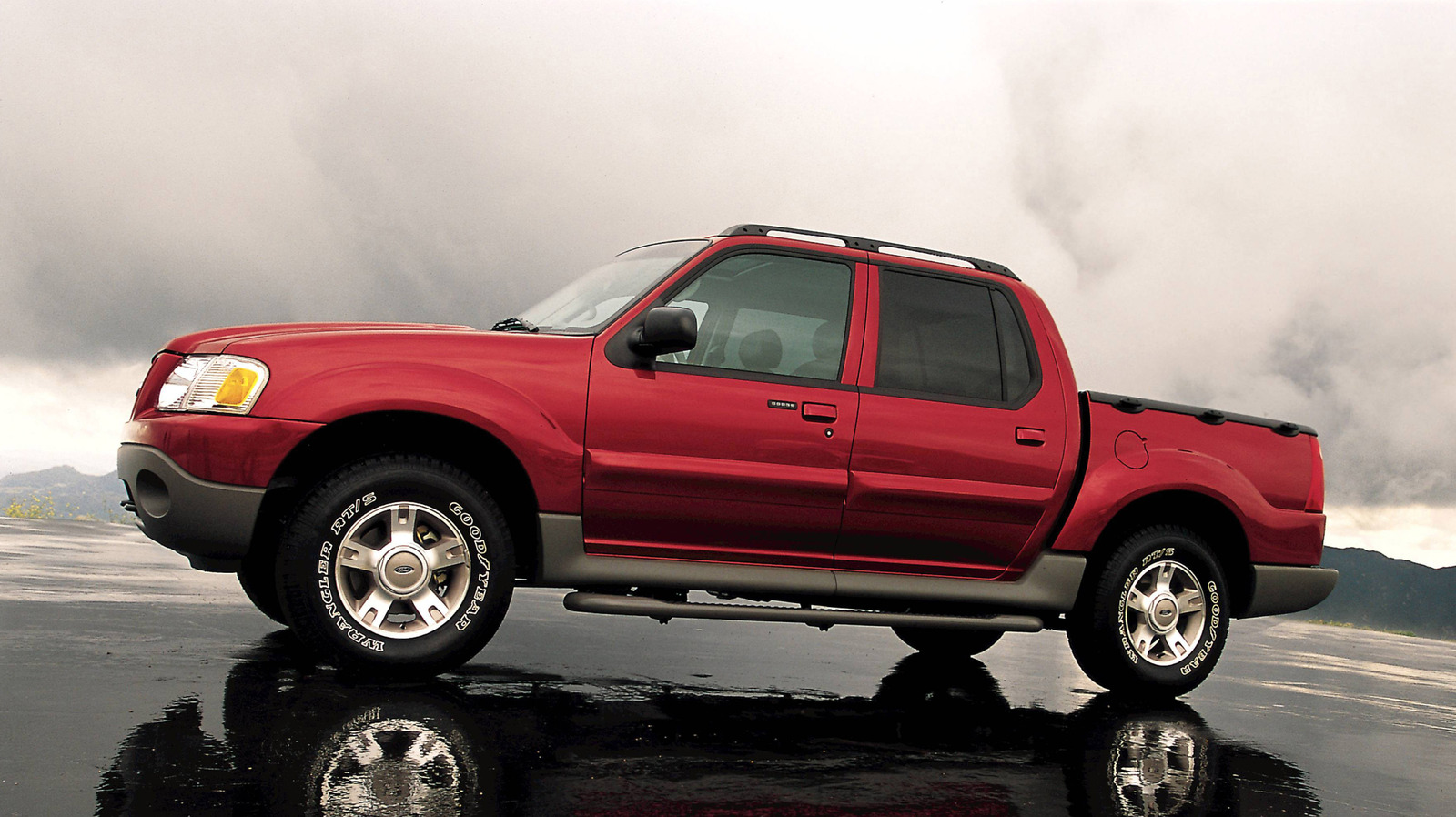
Ford's introduction of the Explorer Sport Trac in 2000 marked a pivotal moment in automotive history, as it brought together the best of both worlds: spaciousness and off-road capability. The vehicle was based on the body-on-frame setup of the standard Explorer, but with a bed integrated into its design, making it an attractive option for adventure-seekers.
The Explorer Sport Trac's marketing campaign effectively conveyed its capabilities, positioning it as a mid-size pickup truck that could handle a variety of tasks, from hauling bicycles to camping supplies. This message is still echoed in the marketing materials of other successful trucks today, highlighting the vehicle's versatility and roominess.
Despite not being a traditional pickup truck, the Explorer Sport Trac achieved significant sales success, with between 20 and 25% of the Explorer's sales attributed to this model. Its popularity can be attributed to its unique blend of features, including a four-foot bed, rear- or all-wheel drive, and a range of engine options.
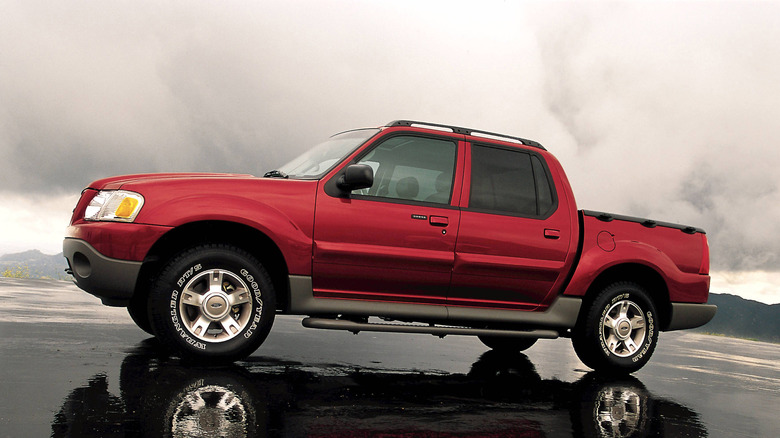
The vehicle's design was a compromise between the three-door (or two-door) Explorer Sport and a traditional pickup, positioning it above the Ranger but below the F-150. This placement allowed the Sport Trac to offer a balance of power and maneuverability, making it an attractive option for those seeking a versatile vehicle.
The first generation of the Explorer Sport Trac lasted from 2001 to 2005, with the second generation debuting in 2007 and spanning until 2010. This period saw revisions to the styling, including an available 4.6-liter V8 engine, increased chassis rigidity, and independent rear suspension.
However, despite these changes, the Explorer Sport Trac ultimately failed to gain significant traction in the market. The second generation's revised design and upgraded powerplant were not enough to save the pickup from its declining sales figures.
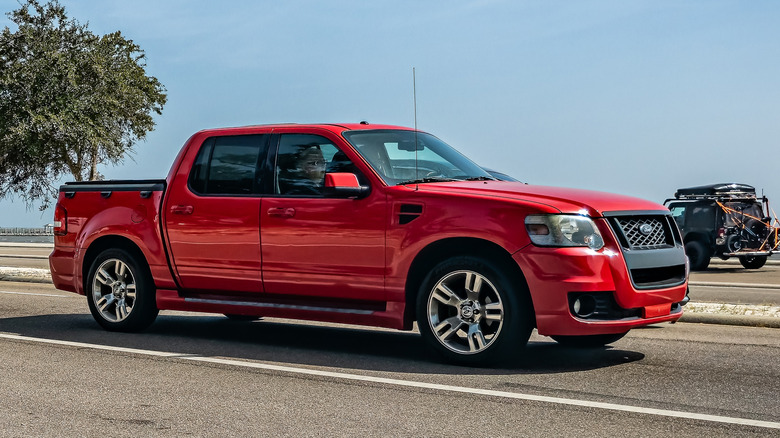
In retrospect, the Ford Explorer Sport Trac was ahead of its time, offering a unique blend of features that would become increasingly popular in the years to come. Its demise can be attributed to a combination of factors, including changing consumer preferences and the rise of more efficient powertrains.
The Explorer Sport Trac's legacy lives on, however, as it paved the way for modern trucks and crossovers that blend functionality with versatility. As consumers increasingly prioritize practicality and adventure-readiness, vehicles like the Ford Explorer Sport Trac are being rediscovered and reevaluated in light of their innovative designs.
Today, the Explorer Sport Trac remains a fascinating footnote in automotive history, serving as a reminder of the importance of innovation and adaptability in the ever-evolving landscape of the automotive industry.
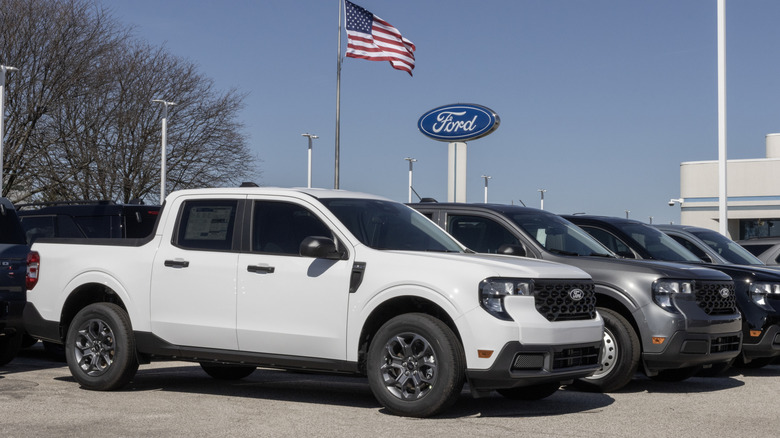
The rise of crossover and SUV flexibility has led to a blurring of lines between traditional trucks and versatile vehicles like the Ford Explorer Sport Trac.