
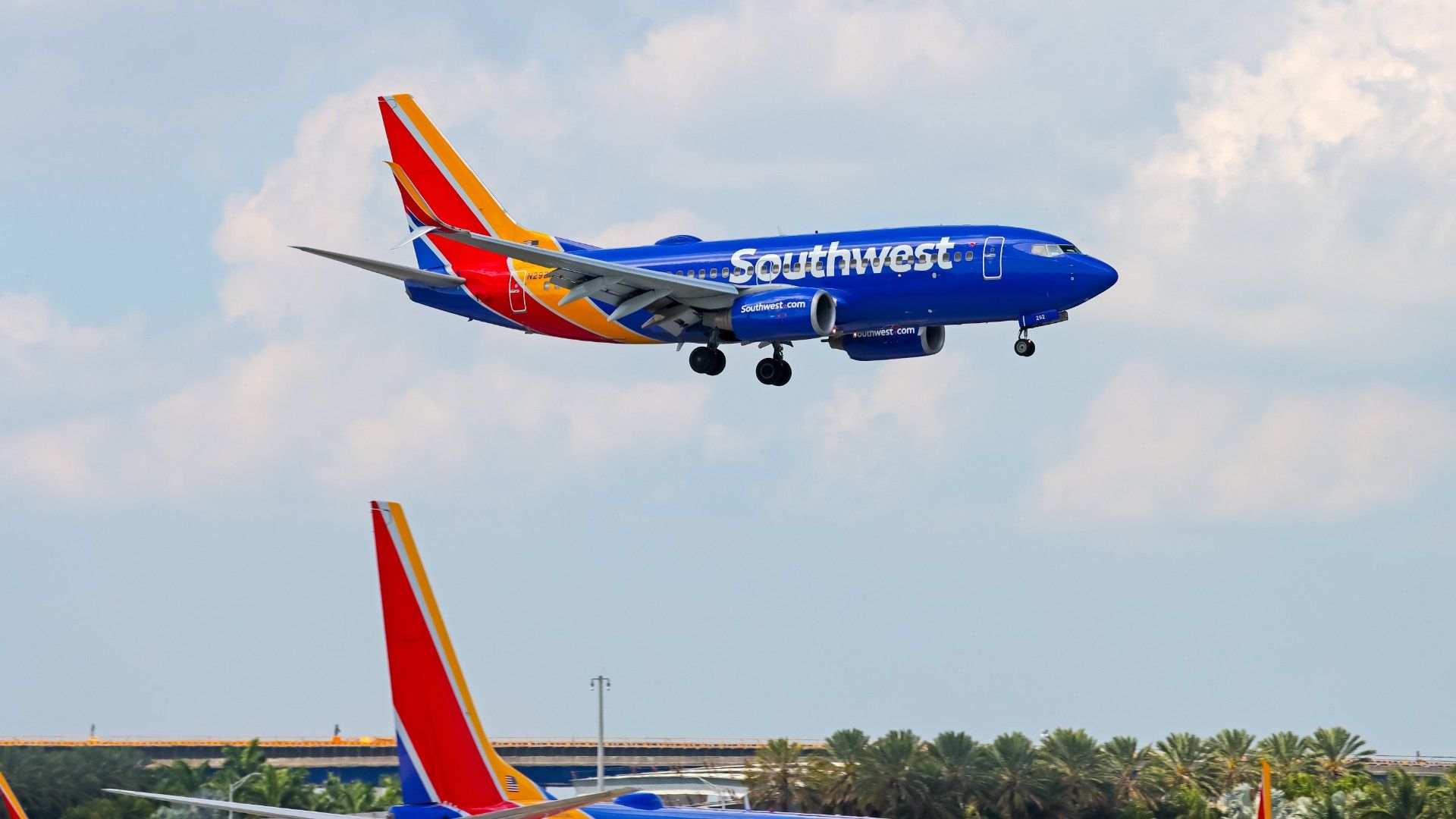
An event reported on Thursday saw a Southwest Airlines aircraft abort its landing and perform a go-around at Hollywood Burbank Airport (BUR). The flight crew then informed the passengers via the onboard PA system that the allocated runway for landing was not clear when the aircraft initially touched down. This incident is noteworthy as it occurred shortly after an unfortunate accident involving an Air Canada aircraft at LaGuardia Airport (LGA), sparking interest in understanding the circumstances surrounding this event. Southwest Airlines' 737-700 made the approach for Runway 8, but instead of landing, the pilot executed a go-around due to unclear runway conditions.
The incident occurred on Thursday afternoon, with reports indicating that the aircraft had touched down briefly before taking off again. While go-arounds are relatively common occurrences in aviation, this particular event stands out because the pilot made an announcement explaining that the aircraft had to go around because the allocated runway 'wasn't quite clear'. This highlights the importance of pilots' situational awareness and ability to make quick decisions in high-pressure situations.
According to data from FlightRadar24, the Boeing 737-700's lowest barometric altitude recorded during the go-around was 825 feet. The aircraft then landed safely back on Runway 8 about ten minutes later. It is worth noting that neither Southwest Airlines nor the FAA has reported any incidents involving a runway incursion at Burbank Airport.
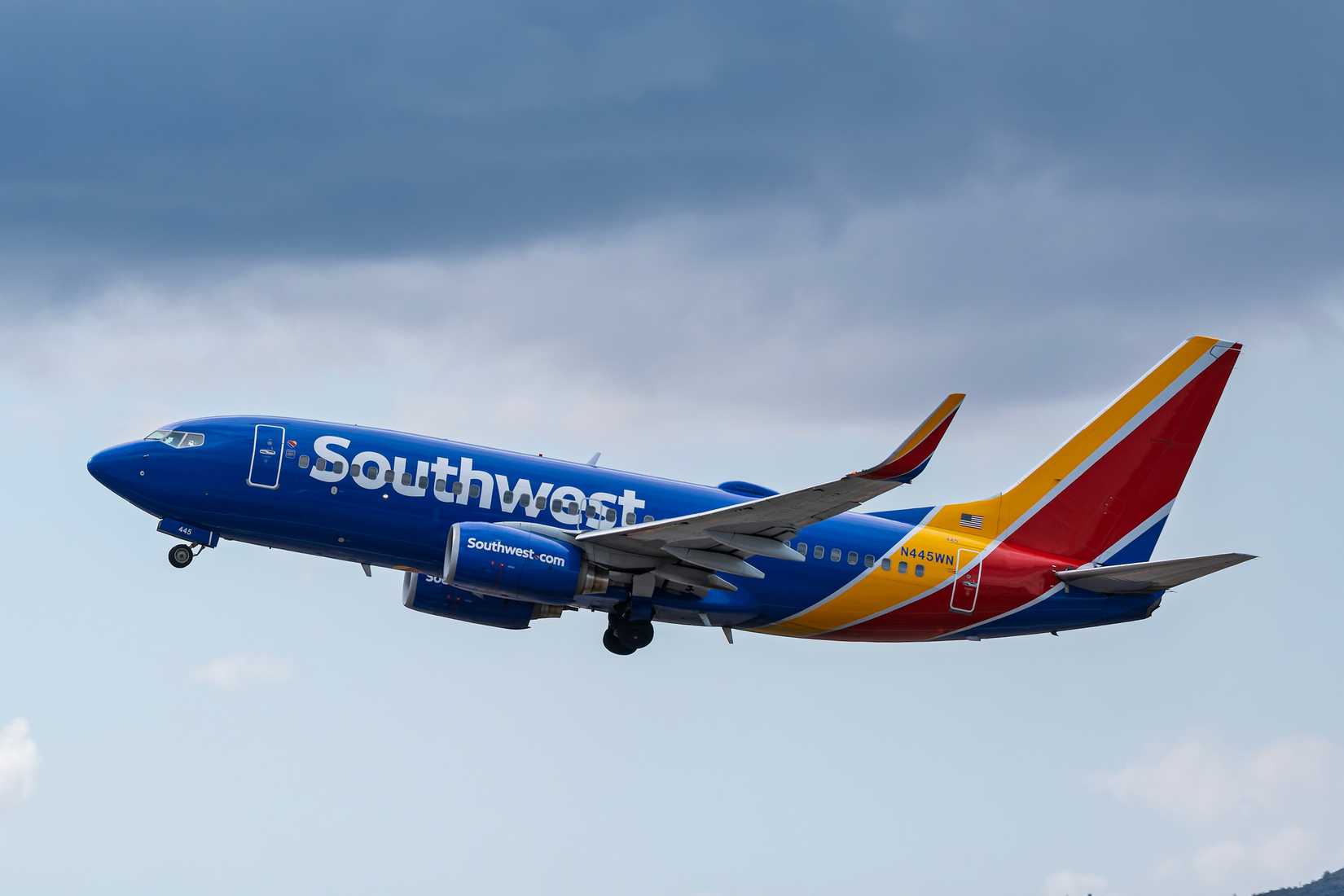
The incident raises questions about the clarity of communication between pilots and air traffic control, as well as the effectiveness of safety protocols in place. The fact that the pilot made an announcement to passengers about the unclear runway conditions suggests that the airline is prioritizing transparency and keeping passengers informed during emergency situations.
Air travel remains one of the safest modes of transportation due to the high standards of safety maintained across the industry. Technological advancements and personnel training play a significant role in ensuring safe landings. Pilots are trained from the beginning of their careers to prioritize safety, and if necessary, initiate go-around procedures during the approach.
Most airports have established approaches that pilots are expected to follow when arriving at the airport and performing the landing. While there is some leeway for correction during the initial stages of approach, towards the end, it becomes increasingly critical to maintain stability and configuration. If an aircraft is no longer stable or suitably configured during the final stages of the approach, a go-around is mandatory.
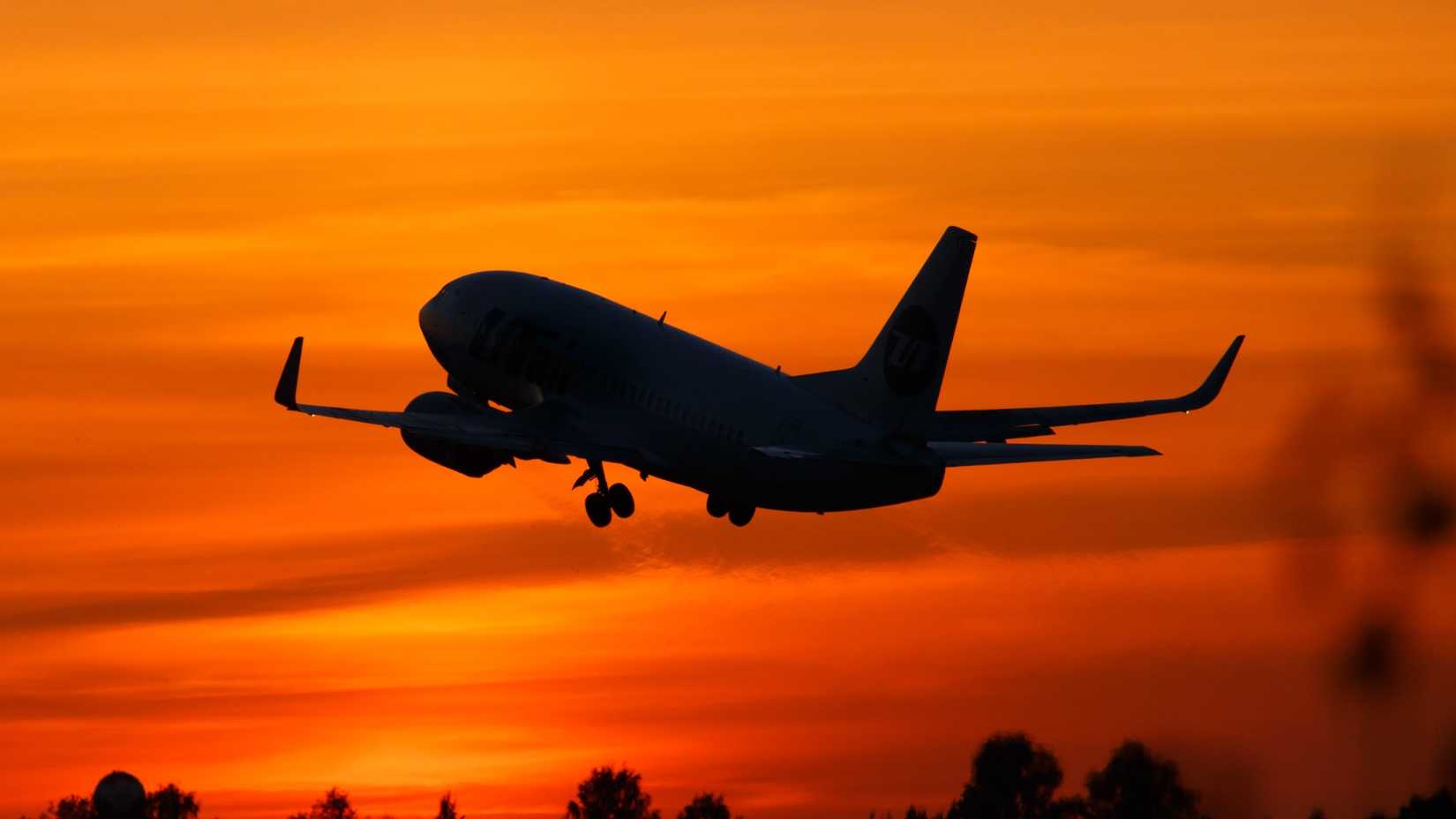
A rapid shift in weather or wind shear over the runway can often take an aircraft out of a stable approach, necessitating a go-around. This highlights the importance of pilots' ability to assess and respond to changing environmental conditions during flight.
The incident serves as a reminder that even with advanced technology and rigorous training, unexpected events can still occur. It underscores the need for ongoing pilot training, effective communication, and robust safety protocols to mitigate such incidents.
Ultimately, the Southwest Airlines 737's go-around at Burbank Airport highlights the importance of situational awareness, quick decision-making, and prioritizing safety in aviation.
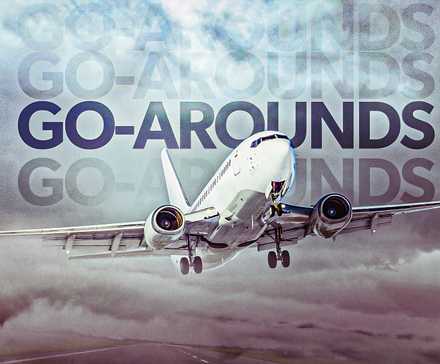
The incident highlights the importance of pilots' training and situational awareness in ensuring safe landings.